
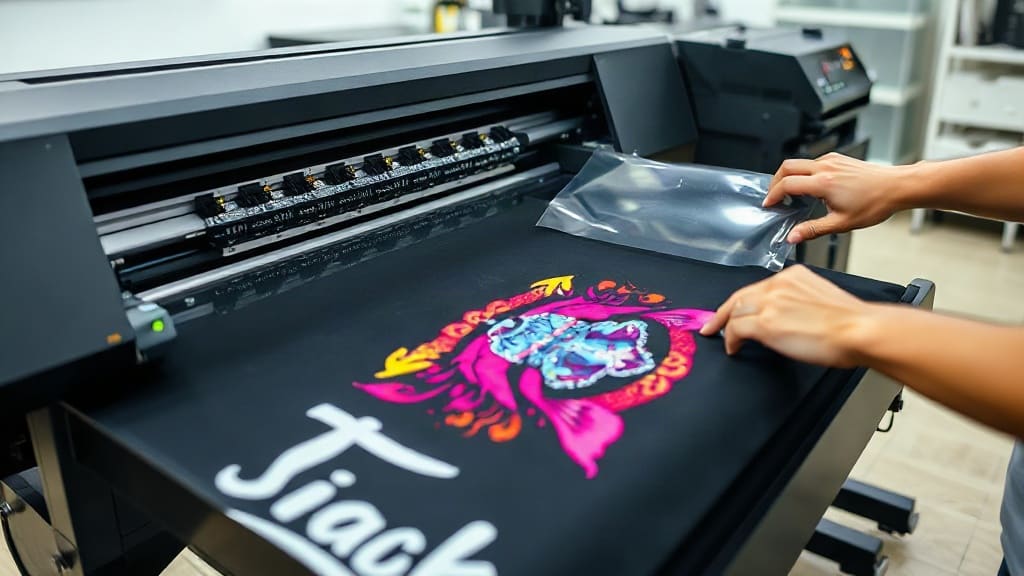
DTF printing, or Direct to Film printing, has taken the custom apparel industry by storm. Unlike traditional methods that require expensive screens or specialized papers, DTF offers a simpler, more versatile way to produce vibrant designs on various fabrics. But what exactly is it, and why is everyone talking about it? In this guide, we'll break down the process, explore the materials, and help you decide if it's the right choice for your business or hobby.
What is DTF Printing?
At its core, DTF is a digital printing technique that involves printing a design onto a special film, applying adhesive powder, and then heat-pressing the film onto a garment. The result is a durable, stretchable, and washable print that feels soft to the touch. Unlike screen printing, which requires creating separate screens for each color, DTF prints full-color designs in a single pass. This makes it incredibly efficient for small batches and complex designs.
The DTF Process: Step by Step
Understanding the step-by-step process helps you appreciate the technology and troubleshoot any issues. Here's how a typical DTF print job goes:
- Design Creation: First, you prepare your artwork using graphic design software. The design is printed as a mirrored image because it will be transferred onto the garment.
- Printing onto Film: A specialized DTF printer prints the design onto a PET film using CMYK inks. The film has a special coating that holds the ink and allows for easy release during transfer.
- Applying Adhesive Powder: While the ink is still wet, a hot-melt adhesive powder is applied to the film. This powder is what bonds the design to the fabric. Excess powder is shaken off, and the film is then cured or dried.
- Curing: The film passes through a curing unit or is placed in an oven to melt the adhesive powder slightly, ensuring it sticks to the ink.
- Heat Press Transfer: The film is placed onto the garment with the printed side down. A heat press applies pressure and heat, typically around 160°C (320°F) for 15-20 seconds. The adhesive melts and bonds with the fabric fibers.
- Peeling: Once cool, the film is peeled away, leaving the design perfectly transferred onto the garment.
Essential Materials and Equipment
To get started with DTF, you'll need specific equipment. The initial investment might seem daunting, but many find it pays off quickly.
- DTF Printer: A printer modified for DTF printing, often based on Epson or Ricoh models. It uses CMYK inks plus white ink, which is crucial for printing on dark garments.
- PET Film: Specially coated films that release the print during transfer. They come in various widths to match your printer.
- DTF Inks: Pigment-based inks that are vibrant and durable. White ink is essential for creating a base on dark fabrics.
- Hot Melt Adhesive Powder: A powder that activates under heat, creating a strong bond between the print and the fabric.
- Heat Press: A clamshell or swing-away heat press for applying the transfer. A flat press is recommended for consistent pressure.
- Curing Oven or Dryer: Some setups use a separate curing unit to melt the powder before pressing. Others rely on the heat press itself.
Why Choose DTF Over Other Methods?
DTF has several advantages that make it a popular choice for small businesses and large-scale operations alike.
Versatility Across Fabrics
One of the biggest selling points is its versatility. DTF works on cotton, polyester, blends, and even challenging materials like nylon. This means you can offer a wider range of products, from t-shirts and hoodies to bags and caps, without changing your setup.
Soft Hand Feel and Durability
Compared to screen printing, DTF prints have a softer feel because the ink sits within the garment rather than on top. The adhesive creates a bond that withstands repeated washing without cracking or fading, making it ideal for everyday wear.
Cost-Effective for Small Runs
Traditional screen printing requires significant setup costs, making it impractical for one-off designs or small orders. DTF eliminates those costs, so you can print a single shirt or a dozen without wasting money. This opens doors for personalized items and on-demand services.
Quick Turnaround
With DTF, you can go from digital design to finished product in minutes. There's no lengthy setup or cleanup, allowing you to fulfill orders rapidly, which is a huge advantage in today's fast-paced market.
Common Challenges and How to Overcome Them
Like any technology, DTF has its quirks. Here are some common issues and tips to avoid them.
White Ink Clogging
White ink tends to settle and clog print heads. To prevent this, make sure your printer has a good circulation system and perform regular nozzle checks. Always keep the print heads clean and run periodic cleaning cycles.
Adhesive Issues
If the adhesive powder isn't applied evenly or the curing time is off, the print might not stick properly. Ensure you're using the right amount of powder and that it's fully melted before pressing. Adjust your curing temperature and time based on the powder manufacturer's recommendations.
Film Adhesion to Garment
Sometimes the film sticks to the shirt instead of peeling off cleanly. This can happen if the press temperature is too high or if you don't press long enough. Experiment with different heat settings and press times to find the sweet spot for your particular film and fabric combination.
DTF vs. DTG and Screen Printing
To make an informed decision, it helps to compare DTF with Direct to Garment (DTG) and screen printing.
DTF vs. DTG
DTG prints directly onto the garment using a printer similar to an inkjet. It's excellent for high-quality photographic designs but requires a pre-treatment for dark fabrics and is slower for bulk orders. DTF, on the other hand, can be done faster and on more fabric types, including blends that DTG struggles with.
DTF vs. Screen Printing
Screen printing is unbeatable for large quantities due to its low per-unit cost. However, it's not practical for small batches or highly detailed designs. DTF offers a middle ground: you can achieve detailed prints without the setup costs, making it perfect for small to medium runs.
Tips for Getting Started with DTF
If you're ready to dive into DTF printing, here are some practical tips to ensure a smooth start.
- Invest in Quality Materials: Cheap films and powders can lead to poor results. Stick with reputable brands that offer consistent performance.
- Calibrate Your Press: Use a heat press with precise temperature and pressure controls. Test on sample fabrics to find the optimal settings for each type of garment.
- Maintain Your Printer: Regularly clean the print heads and use high-quality inks to avoid clogs and color shifts.
- Start with Simple Designs: Practice with solid colors and bold graphics before tackling intricate gradients. This helps you understand how the adhesive and film behave.
- Keep a Record: Document your settings for different fabrics and designs. This saves time and ensures consistency across orders.
Future of DTF Printing
The DTF market is evolving rapidly. New inks are being developed for even greater durability, and printers are becoming faster and more affordable. As the technology matures, we can expect it to become a staple in both small shops and large production facilities. Whether you're a hobbyist or an entrepreneur, embracing DTF now could give you a competitive edge.
Frequently Asked Questions
Can DTF be used on any fabric?
DTF is highly versatile and works on a wide range of fabrics, including cotton, polyester, and blends. However, it's always best to test on a sample first. For very stretchy or delicate fabrics, you might need to adjust the press settings or use a different type of adhesive powder.
How many washes can a DTF print withstand?
With proper application, DTF prints can last for 50 or more washes without significant fading or cracking. Durability depends on factors like the quality of materials, the heat press temperature, and how the garment is cared for. Washing inside out in cold water and air drying can extend the print's life.
Is DTF printing eco-friendly?
DTF printing uses water-based inks and produces less waste compared to screen printing, which involves chemical emulsions and screens. The PET film can be recycled in some areas, and the adhesive powder is non-toxic. While no industrial process is completely green, DTF is a more sustainable option for small-scale production.
What is the cost per print with DTF?
The cost per print varies based on design size, ink usage, film, and powder. On average, you can expect to spend between $0.50 and $2.00 per print for materials. This is significantly lower than screen printing for short runs, making DTF a cost-effective choice for custom orders.
Can I use a regular inkjet printer for DTF?
No, you cannot use a regular inkjet printer for DTF because it lacks the ability to print white ink and the necessary film feed system. You need a printer specifically designed or modified for DTF, which handles the thicker inks and special films.