
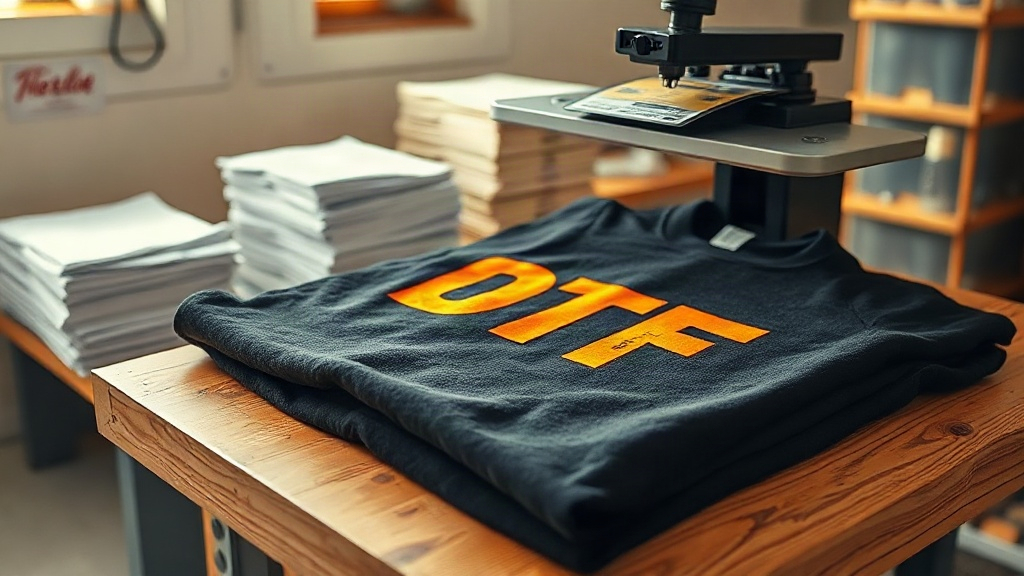
When you're creating custom apparel, the quality of your finished product depends on two critical choices: the blank garment and the decoration method. DTF transfers have become a go-to solution for vibrant, detailed designs on a wide range of fabrics. But not all blanks are created equal. In this guide, we'll explore how DTF transfers perform on popular brands like Shaka Wear and Smart Blanks, and give you actionable tips to achieve professional results every time.
Why DTF Transfers Are Changing the Custom Apparel Game
DTF transfers (Direct to Film) offer a unique combination of versatility and durability. Unlike screen printing or vinyl, DTF doesn't require color separations or special cutting. You print your design onto a special film, apply adhesive powder, and heat press it onto the fabric. The result is a soft, stretchable print that bonds well to cotton, polyester, and blends.
For apparel decorators, this means you can handle small batches with complex designs without the setup costs of screen printing. And because the transfer is applied with heat and pressure, it works on both light and dark garments.
Understanding Shaka Wear: A Staple for Streetwear and Uniforms
Shaka Wear has built a reputation for heavyweight, durable garments that appeal to streetwear brands, uniform suppliers, and anyone needing tough, long-lasting apparel. Their t-shirts, hoodies, and crewnecks are known for their tight knit and substantial feel.
Fabric Composition and DTF Compatibility
Most Shaka Wear blanks are made from 100% cotton or cotton/polyester blends. The tight weave provides a smooth surface that DTF transfers adhere to exceptionally well. However, the heaviness of the fabric means you may need slightly higher pressure and longer dwell time to ensure the adhesive fully penetrates the fibers.
Best Practices for Applying DTF on Shaka Wear
- Pre-press the garment: Remove moisture and wrinkles. This step is crucial for heavyweight fabrics like Shaka Wear.
- Use medium-high pressure: The dense fabric requires firm pressure to ensure the transfer bonds evenly.
- Temperature: Set your heat press to 325°F (160°C) for 15-20 seconds.
- Peel: Wait for the transfer to cool completely before peeling (cold peel) for best results on cotton.
One of our team members recently decorated a batch of Shaka Wear hoodies with DTF transfers featuring detailed artwork. After 30+ washes, the prints showed no cracking or fading, proving that when applied correctly, DTF can handle even the toughest garments.
Smart Blanks: Affordable Quality for High-Volume Orders
Smart Blanks is a popular choice for budget-conscious decorators who still want a reliable product. Their garments are typically made from 100% cotton or cotton/poly blends, and they offer a wide range of colors and sizes. While they may be lighter weight than Shaka Wear, they still provide a great canvas for DTF transfers.
Fabric Composition and DTF Compatibility
Smart Blanks often use a softer, more open weave compared to Shaka Wear. This can make them more prone to slight shrinkage, so pre-shrinking or accounting for shrinkage is wise. The open weave allows DTF transfers to bond quickly, but you must be careful not to over-press, which can cause the adhesive to bleed or the fabric to scorch.
Best Practices for Applying DTF on Smart Blanks
- Pre-press: Always pre-press to remove wrinkles and moisture.
- Medium pressure: Use less pressure than you would for Shaka Wear to avoid flattening the fabric too much.
- Temperature: 300-325°F (150-160°C) for 10-15 seconds.
- Peel: Hot peel or cold peel depending on the film instructions; test a sample first.
Comparing DTF Transfer Results on Shaka Wear vs. Smart Blanks
Both brands work well with DTF transfers, but the final look and feel can differ. Shaka Wear tends to produce a slightly more textured print because of its heavier fabric, while Smart Blanks give a smoother, softer finish. If you're aiming for a vintage, distressed look, the heavier Shaka Wear might be preferable. For a modern, sleek appearance, Smart Blanks could be your best bet.
Durability-wise, when applied correctly, both can withstand repeated washing. However, Shaka Wear garments often outlast lighter blanks due to their robust construction. That said, proper application and care are more important than the brand itself.
Step-by-Step DTF Application on Shaka Wear and Smart Blanks
To ensure consistent results, follow this general process:
- Prepare your workspace: Use a heat press with accurate temperature and pressure settings.
- Pre-press the garment: 5-10 seconds to remove moisture and wrinkles.
- Position the transfer: Place the DTF transfer with the design facing up.
- Press: Apply the recommended temperature, pressure, and time for your specific fabric (see above).
- Peel: Follow the film's instructions for hot or cold peel.
- Post-press (optional): For extra durability, cover with a Teflon sheet and press again for 5-10 seconds.
Remember, every heat press is different, so always test on a scrap piece of fabric before running a full production batch.
Common Pitfalls to Avoid
Even experienced decorators run into issues. Here are a few common mistakes when using DTF transfers on Shaka Wear and Smart Blanks:
- Insufficient pressure: Leads to poor adhesion and early peeling. Especially critical on Shaka Wear.
- Too much pressure: Can cause the adhesive to bleed or the fabric to scorch, particularly on Smart Blanks.
- Wrong temperature: Too low and the transfer won't stick; too high and you'll burn the fabric or film.
- Not pre-pressing: Moisture trapped in the fabric can cause steam bubbles and weak bonds.
- Peeling too soon or too late: Always follow the film manufacturer's peel recommendations.
Care Instructions for Long-Lasting Prints
To keep your DTF transfers looking fresh on Shaka Wear or Smart Blanks, advise your customers to:
- Wait 24 hours before washing.
- Turn the garment inside out.
- Machine wash cold with mild detergent.
- Tumble dry low or hang dry.
- Do not iron directly on the print.
Frequently Asked Questions
Can I use DTF transfers on 100% polyester Shaka Wear garments?
Yes, but you'll need to adjust your settings. Polyester requires lower temperature (around 280-300°F) and light pressure to avoid dye migration and scorching. Always test first.
Do DTF transfers crack or fade on Smart Blanks after washing?
When applied correctly, DTF transfers are very durable. They may eventually crack if the garment is stretched excessively, but normal washing and wearing should not cause significant fading or cracking for years.
What's the best way to store DTF transfers before use?
Keep them in a cool, dry place away from direct sunlight. Avoid folding or creasing the film, as this can damage the print. Use them within a few weeks for best results.
Can I layer DTF transfers on Shaka Wear for a multi-color design?
Absolutely. DTF transfers can be layered, but it's best to use a single transfer with all colors printed at once. If layering, press each layer separately and ensure proper adhesion before adding the next.
How do I choose between Shaka Wear and Smart Blanks for my DTF project?
Consider your budget, desired fabric weight, and end-use. Shaka Wear is ideal for premium, heavy-duty apparel, while Smart Blanks offer a cost-effective option for high-volume orders. Both work well with DTF transfers when applied correctly.
With the right techniques, DTF transfers can elevate any garment from Shaka Wear or Smart Blanks into a professional, durable piece of custom apparel. Experiment, test, and refine your process to deliver outstanding results for your customers.