
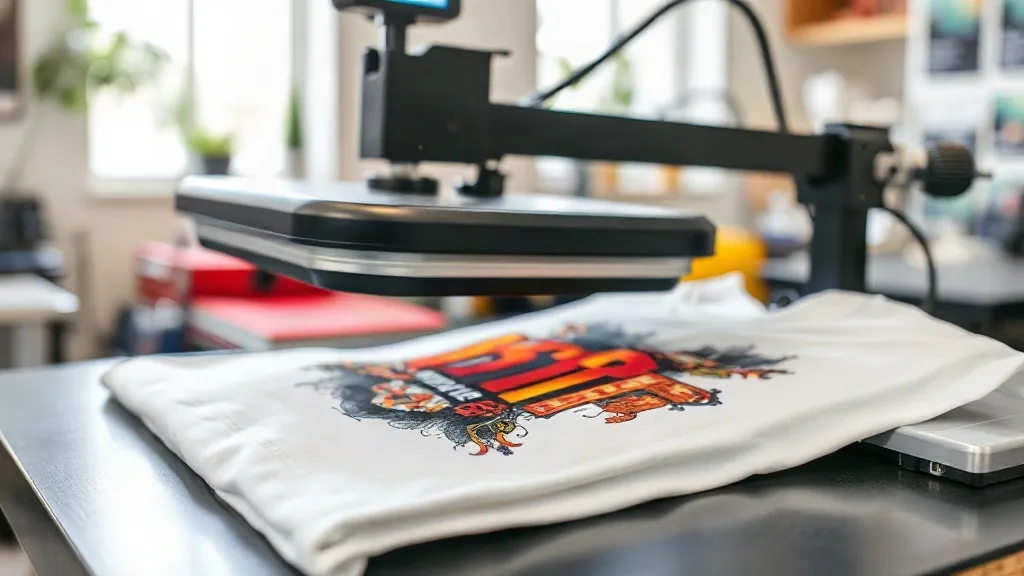
If you've been exploring custom apparel printing, you've likely encountered the term dtf. Direct-to-film printing is rapidly gaining traction as a go-to method for producing vibrant, durable designs on a wide range of fabrics. Unlike traditional methods that require specific materials or extensive setup, dtf transfers offer a streamlined approach that suits both small businesses and hobbyists. In this guide, we'll dive deep into what DTF transfers are, how they work, and why they might be the perfect solution for your next project.
What Are DTF Transfers?
DTF stands for Direct-to-Film. It's a printing technique where your design is printed onto a special film, coated with a adhesive powder, and then heat-pressed onto the fabric. The result is a soft, stretchable, and highly detailed print that bonds permanently to the material. Unlike DTG (Direct-to-Garment) printing, which prints directly onto the shirt, DTF transfers allow you to print the design separately and apply it later, giving you more flexibility in production and inventory.
The DTF Printing Process
The process begins with creating your artwork. The design is printed onto a PET film using specialized DTF inks, typically CMYK plus white. After printing, a hot-melt adhesive powder is applied to the wet ink, and the film is cured. Once cured, the transfer is ready to be applied using a heat press. The adhesive melts and bonds with the fabric fibers, creating a durable bond that withstands washing and stretching.
Why Choose DTF Transfers?
There are several reasons why DTF transfers have become a favorite among apparel decorators. First, they work on almost any fabric, including cotton, polyester, blends, and even nylon. This versatility eliminates the need for multiple printing methods. Second, DTF transfers produce incredibly vibrant colors and fine details, making them ideal for complex designs with gradients and photographs. Third, they are cost-effective for short runs because you don't need screens or plates. Finally, the prints are soft to the touch and stretch with the fabric, reducing cracking and peeling.
Durability and Washability
When properly applied, DTF transfers can withstand dozens of washes without fading or cracking. The key is in the application: using the right temperature, pressure, and time. Most manufacturers recommend pressing at 325°F for 15 seconds with medium pressure. After pressing, peel the film while it's still warm (warm peel) for best results. Following these guidelines ensures your prints stay looking fresh for the life of the garment.
Applications of DTF Transfers
DTF transfers are used in a variety of applications, from custom t-shirts and hoodies to tote bags and hats. They are especially popular for personalized gifts, team uniforms, and promotional merchandise. Because you can print small quantities economically, DTF is perfect for on-demand printing and small businesses looking to offer custom products without large upfront costs.
Choosing the Right Fabric
While DTF works on many fabrics, some yield better results than others. Cotton and cotton blends are ideal because the adhesive bonds well with natural fibers. Polyester also works, but requires slightly lower temperature to avoid dye migration. For best results, always test on a scrap piece of fabric before pressing your final product.
DTF vs. Other Printing Methods
How does DTF compare to DTG, screen printing, and vinyl? DTG is great for 100% cotton but struggles with polyester and dark colors. Screen printing is cost-effective for large orders but requires setup and is limited in color complexity. Vinyl is durable but only suitable for simple designs. DTF bridges the gap: it handles complex designs, works on multiple fabrics, and is cost-effective for small to medium runs. It's no wonder that dtf transfers are becoming the preferred choice for many decorators.
Getting Started with DTF Transfers
To get started, you'll need a DTF printer, DTF ink, PET film, adhesive powder, and a heat press. If you're not ready to invest in a printer, you can order custom DTF transfers from a supplier and apply them yourself. This is a great way to test the market before scaling up. When ordering, provide high-resolution artwork (300 DPI) with transparent background for best results.
Tips for Perfect Application
- Pre-press the garment for 5 seconds to remove moisture.
- Place the transfer with the adhesive side down.
- Press at 325°F for 15 seconds with medium pressure.
- Peel the film warm (while still hot).
- Post-press for 5 seconds with a cover sheet for extra durability.
Common Mistakes to Avoid
Even with a straightforward process, some pitfalls can ruin your results. Using too much pressure can cause the adhesive to spread and create a halo. Pressing at too high a temperature can scorch the fabric or cause the film to curl. Peeling cold can lead to the design lifting. Always follow the manufacturer's instructions and test before production.
Frequently Asked Questions
What is the difference between DTF and DTG?
DTF involves printing on a film and transferring to fabric, while DTG prints directly onto the garment. DTF works on more fabrics and produces more vibrant colors on dark materials.
Can I use DTF transfers on dark shirts?
Yes! DTF transfers include a white ink layer that makes colors pop on dark fabrics. This is one of their biggest advantages over DTG.
How long do DTF transfers last?
With proper application and care, DTF transfers can last as long as the garment itself, often 50+ washes without significant fading.
Do I need a special printer for DTF?
You need a DTF printer that uses DTF inks and can print on PET film. Alternatively, you can order transfers from a service like DTF Boost.
What fabrics work best with DTF?
Cotton, polyester, and blends are all suitable. For best results, avoid fabrics with heavy coatings or waterproof treatments.
Whether you're a small business owner or a DIY enthusiast, DTF transfers offer a versatile and reliable way to create stunning custom apparel. With the right techniques and a bit of practice, you'll be producing professional-quality prints in no time.