
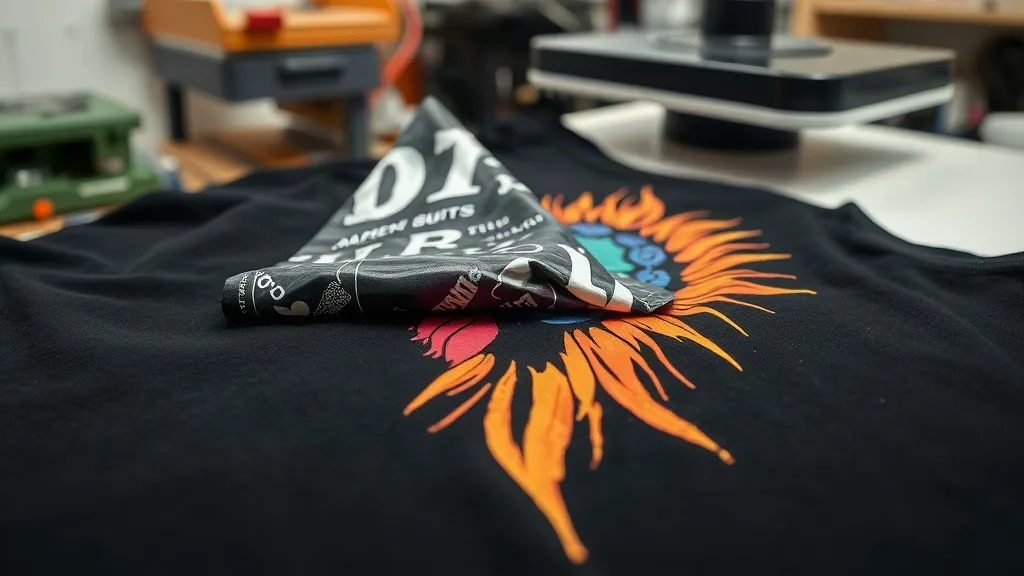
If you have been in the custom apparel game for any length of time, you have likely heard the buzz around dtf printing. It is not just another fleeting trend; it is a genuine shift in how we approach garment decoration. Unlike traditional methods that require multiple steps and specific fabrics, dtf transfers offer a versatile, durable, and surprisingly simple solution for bringing vibrant designs to life on almost any material. Whether you are a seasoned screen printer looking to expand your offerings or a small business owner wanting to create custom merch, understanding DTF technology is your ticket to faster turnarounds and happier customers.
What Exactly Are DTF Transfers?
At its core, DTF stands for Direct to Film. The process involves printing your design onto a special PET film using water-based inks, then applying a thermoplastic polyurethane (TPU) powder to the wet ink. This powder acts as the adhesive. Once the powder is cured, you have a transfer ready to be heat-pressed onto a garment. The magic happens when the heat and pressure bond the TPU to the fabric fibers, creating a stretchable, resilient print that feels like it is part of the shirt.
What sets dtf transfers apart from other methods like DTG (Direct to Garment) or vinyl is the lack of pre-treatment and weeding. You do not need to pre-treat the garment, and you do not need to cut around intricate details. This saves an immense amount of time and labor, especially for complex designs with fine lines or gradients.
Why DTF Transfers Are Revolutionizing Custom Apparel
The rise of DTF is not accidental. It solves several pain points that have plagued decorators for years. Here are the key advantages that make it a game-changer.
1. Unmatched Versatility Across Fabrics
One of the biggest limitations of DTG printing is that it works best on 100% cotton. DTF, however, adheres beautifully to a wide range of materials: cotton, polyester, blends, nylon, leather, and even treated wood. This opens up a world of possibilities for creating custom items like tote bags, hats, and performance wear. If you have ever struggled with printing on polyester due to dye migration, DTF is your solution. The TPU powder creates a barrier that prevents the garment's dye from bleeding through.
2. No Weeding, No Pre-Treatment
If you have spent hours weeding vinyl, you know the pain. DTF eliminates that entirely. You print, powder, cure, and press. That is it. There is no need to meticulously remove excess material from around your design. Similarly, you skip the pre-treatment step required for DTG. This not only speeds up production but also reduces the risk of errors and inconsistencies.
3. Stretchability and Durability
A common complaint with heat transfer vinyl (HTV) is that it can crack over time, especially on stretchy fabrics. DTF prints are elastic and move with the fabric. When applied correctly, they can withstand repeated washing and wearing without fading, peeling, or cracking. The colors remain vibrant, and the print maintains its integrity even after dozens of wash cycles.
4. Cost-Effective for Small and Large Runs
While the initial setup for DTF printing (printer, shaker, oven) can be an investment, the per-unit cost is highly competitive. You can print multiple designs on a single film, minimizing waste. For small batches, DTF is far more economical than screen printing, which requires separate screens for each color. For large runs, the speed and automation of DTF make it a viable option as well.
How to Apply DTF Transfers: A Step-by-Step Guide
Getting a perfect DTF transfer requires attention to detail. Follow these steps to ensure a professional finish every time.
Step 1: Prepare Your Heat Press
Set your heat press to the recommended temperature, typically between 300°F and 325°F (150°C to 160°C). Ensure the pressure is medium to firm. Pre-press the garment for a few seconds to remove moisture and wrinkles. This creates a smooth surface for the transfer.
Step 2: Position the Transfer
Place the DTF transfer onto the garment with the printed side facing up. If your design has a white underbase, it will be on the film. The TPU powder side should be facing the fabric. Use heat tape if necessary to keep it in place.
Step 3: Press and Peel
Apply heat and pressure for 10-15 seconds. For best results, use a pressure of 4-6 bars. After pressing, you can do a hot peel or cold peel depending on the film manufacturer's instructions. Hot peel is common for DTF and allows you to remove the film immediately while it is still warm. Peel the film off in a smooth, consistent motion.
Step 4: Post-Press for Durability
For added durability, especially on stretchy fabrics, cover the transfer with a Teflon sheet or parchment paper and press again for 5-10 seconds. This further embeds the TPU powder into the fibers and ensures a matte finish.
Common Mistakes to Avoid with DTF Transfers
Even though DTF is forgiving, certain errors can ruin your print. Watch out for these pitfalls.
- Insufficient pressure: If the pressure is too low, the transfer will not adhere properly and may peel off after washing.
- Wrong temperature: Too hot and the film may melt or the ink may scorch; too cold and the adhesive won't activate.
- Not pre-pressing: Moisture in the fabric can cause steam pockets that prevent proper adhesion.
- Peeling too soon or too late: Follow the film's instructions. Hot peel films should be peeled immediately; cold peel films need to cool completely.
By avoiding these mistakes, you will achieve consistent, professional results.
DTF vs. Other Printing Methods: A Quick Comparison
How does DTF stack up against DTG, screen printing, and vinyl? Here is a breakdown.
- DTG: Best for 100% cotton, requires pre-treatment, limited color vibrancy on dark garments. DTF works on more fabrics and has vibrant colors on darks without pre-treatment.
- Screen Printing: Cost-effective for large runs of simple designs, but setup is time-consuming and expensive for multi-color jobs. DTF is better for detailed, multi-color designs and small batches.
- Vinyl (HTV): Good for simple, single-color designs, but weeding is tedious and layered vinyl can be bulky. DTF handles complex designs with ease and has a softer feel.
Ultimately, DTF offers a balance of quality, versatility, and efficiency that few other methods can match.
Frequently Asked Questions About DTF Transfers
Can I use DTF transfers on dark colors?
Absolutely. DTF transfers include a white underbase, so they show up brilliantly on dark fabrics. The white layer ensures that the colors remain opaque and vibrant.
How long do DTF transfers last?
When applied correctly, DTF transfers can last as long as the garment itself. They are resistant to cracking, peeling, and fading. Proper washing (inside out, cold water, no bleach) will extend their life even further.
Do I need a special printer for DTF?
Yes, you need a DTF printer that uses DTF inks and a shaker machine for applying the powder. However, if you are not ready to invest in a printer, you can buy pre-made DTF transfers from suppliers and apply them with a heat press.
What is the best temperature for pressing DTF transfers?
The ideal temperature range is 300°F to 325°F (150°C to 160°C). Always check the instructions provided by your transfer supplier, as different films may have specific requirements.
Can I stretch DTF transfers?
Yes, DTF transfers are stretchable and will move with the fabric without cracking. This makes them ideal for athletic wear and other stretchy garments.
DTF technology is here to stay, and for good reason. It empowers creators to produce high-quality, durable custom apparel with less hassle and more flexibility. Whether you are just starting out or looking to upgrade your production, embracing DTF could be the best decision for your business.