
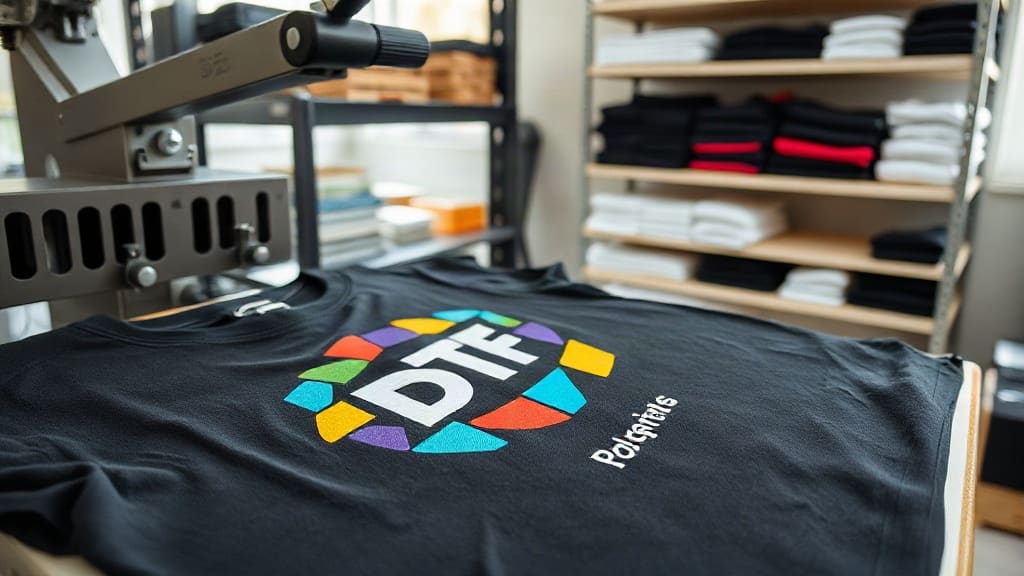
If you’re in the custom apparel business, you’ve likely heard about DTF (Direct to Film) printing. It’s become one of the most versatile and cost-effective ways to create vibrant, durable transfers. But when you search “DTF transfers near me,” you might get dozens of results. How do you know which local printer will actually deliver the quality you need? In this guide, I’ll share practical steps to find a reliable nearby DTF provider, what to check before ordering, and how to avoid common pitfalls. Whether you’re a small business owner or a hobbyist, this information will help you make a smart choice.
Why Choose a Local DTF Transfer Printer?
Working with a local supplier has its perks. You can visit their facility, see sample prints, and get advice face-to-face. Local partners often provide faster turnaround times, especially if you need a rush order. Shipping costs are usually lower, and you avoid the risk of packages getting lost in transit. Plus, you can build a ongoing relationship that might lead to volume discounts or custom support.
However, “near me” doesn’t automatically mean “best.” You still need to evaluate each printer’s expertise and equipment. Many local shops are excellent, but some might be using outdated technology or low-quality inks. So, how do you separate the pros from the amateurs? Let’s dive into the key factors.
What Are DTF Transfers?
Before we get deeper, let’s quickly recap what DTF transfers are. In DTF printing, a design is printed onto a special PET film using a water-based ink and then coated with a hot-melt adhesive powder. The powder is cured, and the film is ready to be pressed onto a garment. Unlike screen printing, DTF allows for full-color prints with no minimum order quantities, making it ideal for custom orders and sample runs.
The result is a soft, stretchable, and durable transfer that can be applied to cotton, polyester, blends, and even some harder surfaces like bags and caps. Because the design is printed on film first, you can preview it before committing to a bulk order. This flexibility is why DTF has taken the custom apparel world by storm.
How to Find DTF Transfers Near Me: Step-by-Step
1. Start with a Simple Search
Open your browser and type “DTF transfers near me” into the search bar. But don’t just click the first result. Look at the map listings, read reviews, and note which businesses have a physical address. A local shop with a storefront is often more trustworthy than an online-only operation, because you can verify their existence.
Also, search for “DTF printing near me” or “custom DTF transfers” to get a broader list. Many local sign shops or embroidery stores now offer DTF printing as an add-on service. Make a list of at least five candidates to compare.
2. Check Their Portfolio and Experience
Once you have a list, visit each company’s website or social media. Look for photos of actual printed transfers and finished garments. A professional printer will proudly showcase their work. Pay attention to the complexity of designs they handle, the vibrancy of colors, and the precision of edges. If they have a physical showroom, go in and ask to see samples. Touch the transfers to check the feel and peel the backing to ensure it’s not too flimsy.
Experience matters. Ask how long they’ve been doing DTF printing. While new players can be good, established shops often have fine-tuned processes and better troubleshooting skills. They’ve likely encountered common issues like color bleeding or adhesive failure and know how to prevent them.
3. Evaluate Their Equipment and Inks
DTF quality largely depends on the printer and ink. High-end printers like Epson or Ricoh with CMYK+White configuration are common. But even a good printer can produce poor results if the operator doesn’t use the right settings or quality films. Ask about the type of film they use (matte vs. gloss) and how they handle the adhesive powder. Some use a powder shaker integrated into the printer, while others apply it manually. Both can yield good results, but consistency matters.
Also, ask about the ink brand. Reputable shops use pigment inks that are water-based and formulated for DTF. Avoid those who use solvent or eco-solvent inks, as they are not suitable for clothing transfers. A quality shop will be transparent about their materials.
4. Request a Sample or Test Order
Before placing a large order, always request a sample. Most reliable printers will send you a small test print for a nominal fee or even free if you’re a promising client. Use this sample to test the transfer on the type of garment you typically use. Wash it, stretch it, and see how it holds up. If the colors pop and the design doesn’t crack or peel after several washes, that’s a good sign.
During the test, also evaluate the customer service. Were they responsive? Did they offer advice on designing your file? A printer who goes the extra mile is worth more than one who just takes orders.
5. Compare Pricing, but Don’t Sacrifice Quality
Pricing for DTF transfers varies widely based on size, complexity, and quantity. Generally, you can expect to pay more for a single transfer than for bulk orders. Get quotes from several local printers and compare them. But remember, the cheapest option isn’t always the best. Cut-rate prices might mean lower-quality ink, thinner film, or rushed production. On the other hand, exorbitant prices don’t guarantee excellence either.
Look for a balance. A fair price for a high-quality transfer is around $1 to $4 per transfer for standard sizes (like 10x10 cm) in small quantities. For larger designs or special effects like white ink underbase, costs increase. Ask for a breakdown of costs so you know what you’re paying for.
6. Check Turnaround Times
Time is money in the apparel business. If a customer orders a custom shirt, they usually want it yesterday. So, you need a DTF provider who can deliver quickly. Ask about their standard turnaround time and if they offer rush options. Many local printers can produce transfers within 24 to 48 hours, but be sure to confirm. Also, check if they have the capacity to handle bulk orders without delaying your timeline.
If you’re planning a large order, discuss their production schedule early. A good printer will be honest about their workload and give you a realistic deadline.
7. Read Reviews and Ask for References
Online reviews can provide valuable insights. Look for patterns in feedback. Do customers complain about poor color accuracy? Do they praise the transfer’s durability? A few negative reviews are normal, but consistent complaints should raise red flags. Also, don’t hesitate to ask the printer for references from other local businesses. A reputable shop will happily share contact info of long-term clients.
Red Flags to Avoid When Choosing a DTF Transfer Printer
Not every provider is trustworthy. Watch out for these warning signs:
- No physical address: If they only have a P.O. box or operate from a residential address without a storefront, be cautious.
- No sample policy: If they refuse to provide samples, they may be hiding poor quality.
- Extremely low prices: If the quote is significantly cheaper than competitors, ask why. They might be using substandard materials.
- Lack of design support: If they can’t help you with file setup or color management, that’s a sign they may not have technical expertise.
- No guarantee: A professional printer will stand behind their work with a satisfaction guarantee. If they offer no recourse, walk away.
How to Get the Most Out of Your DTF Transfers
Once you’ve selected a local printer, here are some tips to ensure a smooth experience:
Prepare Your Files Correctly
Learn about DTF file requirements. Most printers prefer high-resolution PNG files with transparent backgrounds. The ideal resolution is at least 300 DPI at the final print size. Also, convert your colors to CMYK, but be aware that DTF printers often use an extended color gamut, so a Pantone match might not be perfect. If color accuracy is critical, ask the printer to make a test print.
Understand the Pressing Process
DTF transfers require a heat press with constant pressure. The typical settings are 300°F (150°C) for 10 seconds with medium pressure, but always follow the printer’s instructions. If you’re new to DTF, ask your printer for a quick tutorial or watch online videos. Proper pressing ensures the adhesive melts correctly and the design adheres well.
Care for Your Transfers
Store unused transfers in a cool, dry place away from direct sunlight. Moisture can cause the adhesive powder to clump, leading to poor adhesion. When pressing, make sure the transfer is completely cool before peeling the film, unless it’s a hot-peel variant. This step is crucial to avoid lifting the design.
Local vs. Online DTF Transfer Printers
You might wonder if you should also consider online DTF services. While local has its advantages, online printers often offer lower prices due to scale. However, you sacrifice the ability to inspect samples upfront and may face shipping delays. If you choose an online provider, treat it like a local one: check reviews, request samples, and verify their credentials. But for many businesses, the convenience and support of a local partner outweigh the cost difference.
Frequently Asked Questions
How much do DTF transfers cost per piece?
Pricing depends on size, quantity, and complexity. For a typical 12x12 cm transfer, prices can range from $1 to $3 per transfer for small orders, but drop to $0.50 or less for bulk orders of 500 or more. Specialty effects like glitter or puff add to the cost. Always get a detailed quote from your local printer.
Can I use DTF transfers on dark-colored shirts?
Yes, DTF transfers work on dark garments because they include a white underbase. The white layer is printed as part of the design, which makes colors pop even on black or navy. This is one of the key advantages of DTF over vinyl.
How long do DTF transfers last?
High-quality DTF transfers can withstand 50 to 100 washes if properly pressed and cared for. The durability depends on the ink, adhesive, and pressing conditions. Always follow the manufacturer’s care instructions, like washing inside out in cold water and avoiding bleach.
What is the minimum order quantity for DTF transfers?
One of the best things about DTF is that there is no minimum. You can order a single transfer for a sample or a one-off design. This flexibility is perfect for custom orders, prototypes, and small batches.
Do I need to live in the same city as the DTF printer?
No, you can use a printer from anywhere, but searching “DTF transfers near me” helps you find businesses you can visit in person, which can be beneficial for quality assurance and communication. However, if you prefer online options, you can still find excellent providers by checking reviews and requesting samples.
Final Thoughts
Finding the right DTF transfer printer is about more than just proximity. It’s about quality, reliability, and a good working relationship. By taking the time to research local options, asking the right questions, and testing samples, you can ensure your garments look professional and last long. Remember, the cheapest or closest option isn’t always the best, but with the tips in this guide, you’re now equipped to make an informed decision. So, start your search for DTF transfers near me with confidence, and you’ll soon have a trusted printing partner.