
If you're in the custom apparel business or just love making your own shirts, you've probably heard about DTF transfers (Direct to Film). This printing method has taken the industry by storm, offering a versatile and cost-effective way to create vibrant, durable designs on a wide range of fabrics. But what exactly are DTF transfers, and why are they becoming the go-to choice for both small businesses and hobbyists? In this comprehensive guide, we'll dive deep into the world of DTF, exploring how it works, its benefits, potential drawbacks, and practical tips to get the best results. Whether you're a seasoned printer or a curious beginner, this article will give you the knowledge you need to make informed decisions.
What Are DTF Transfers?
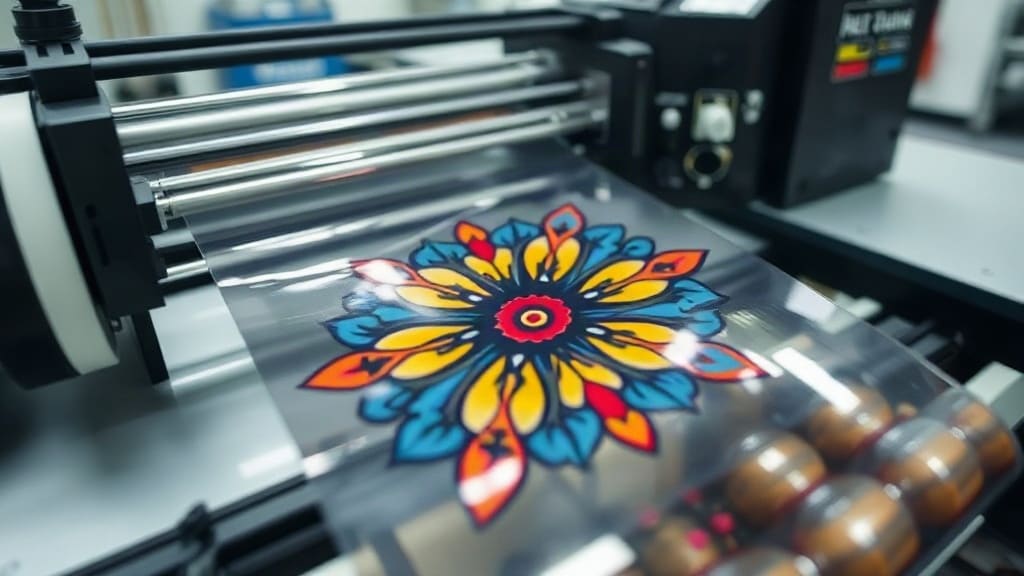
DTF transfers are a type of heat transfer that involves printing a design onto a special PET film using a DTF printer, then applying adhesive powder to the wet ink, and finally heat-pressing the film onto a garment. The result is a soft, flexible, and highly detailed print that can be applied to cotton, polyester, blends, and even hard surfaces like mugs and caps. Unlike traditional screen printing, DTF doesn't require screens or extensive setup, making it ideal for on-demand and small-batch production.
The DTF Printing Process Explained
The DTF process might sound complex, but it's actually quite straightforward. Here's a step-by-step breakdown:
- Design Creation: You start with a digital design, which can be anything from a simple logo to a full-color photograph. The design is mirrored (flipped horizontally) before printing.
- Printing on Film: A special DTF printer (usually an EPSON or similar inkjet printer modified for DTF) prints the design onto a transparent PET film using CMYK + white ink. The white ink layer is crucial as it provides an opaque base for colors, especially on dark garments.
- Adhesive Powder Application: While the ink is still wet, a hot-melt adhesive powder is applied to the printed film. This powder sticks to the ink and later melts during heat pressing, bonding the design to the fabric.
- Drying: The film is then passed through a dryer or tunnel to cure the ink and melt the powder slightly, making it tacky but not fully set. This step ensures the powder stays in place during handling.
- Heat Press Application: The film is placed on the garment with the printed side down, and a heat press applies pressure and heat (typically around 160-170°C for 10-15 seconds). The powder melts and fuses the ink to the fabric.
- Peeling: After pressing, the film is peeled away (either hot or cold, depending on the product), leaving behind a vibrant, durable print.
Why Choose DTF Transfers? Key Benefits
There are several reasons why DTF has become so popular:
- Versatility: DTF works on almost any fabric, including cotton, polyester, nylon, and blends. You can even use it on non-textile items like tote bags or mouse pads.
- No Weeding Required: Unlike heat transfer vinyl (HTV), DTF prints don't require weed. The design is printed as a whole, saving hours of labor.
- High Detail and Color: DTF can reproduce intricate details and vibrant colors, including white, without the need for multiple layers or underbases.
- Soft Hand Feel: The prints have a soft, rubbery texture that doesn't crack or fade easily, even after many washes.
- Low Setup Cost: You don't need expensive screens or large minimum orders. DTF is perfect for small batches and custom orders.
DTF vs. Other Transfer Methods
To truly understand the value of DTF, it's helpful to compare it to other common methods:
DTF vs. HTV (Heat Transfer Vinyl)
HTV involves cutting vinyl into a design, weeding out the excess, and pressing it onto the fabric. While HTV is great for simple designs with few colors, it's not suitable for full-color or highly detailed artwork. DTF, on the other hand, handles gradients, photos, and complex graphics with ease. Additionally, HTV often leaves a plastic-like feel and can crack over time, whereas DTF prints are softer and more durable.
DTF vs. Screen Printing
Screen printing is the traditional method for high-volume orders, offering excellent color vibrancy and durability. However, it requires significant setup (screens, emulsions, etc.) and is cost-effective only for large quantities. DTF is more flexible for small runs and offers similar quality, though screen printing still has an edge for extremely high volumes and specialty inks like glitter or puff.
DTF vs. DTG (Direct-to-Garment)
DTG is like printing with an inkjet printer directly onto the shirt. It's excellent for full-color designs on cotton, but it's slower and requires pretreating for dark garments. DTF is faster, works on more fabrics, and doesn't require pretreatment. For businesses that want versatility and speed, DTF often wins.
Potential Drawbacks to Consider
No method is perfect. DTF does have some downsides:
- Initial Equipment Investment: A quality DTF printer and accessories can cost thousands of dollars. However, there are also more affordable options for small businesses.
- Learning Curve: Getting the right settings (time, temperature, pressure) takes practice. You may waste some materials before you get it right.
- Wash Durability: While DTF prints are generally durable, they may not last as long as high-quality screen prints on heavily washed garments. But with proper care, they can withstand 50+ washes.
- Environmental Concerns: The PET film used in DTF is a single-use plastic, which isn't eco-friendly. However, some companies are developing recyclable films.
Tips for Perfect DTF Prints Every Time
To get the best results with DTF transfers, follow these expert tips:
- Use High-Quality Files: Ensure your artwork is at least 300 DPI and in PSD, PNG, or PDF format. Crisp designs lead to crisp prints.
- Calibrate Your Printer: Regularly perform nozzle checks and cleanings to avoid clogging, which can ruin prints.
- Shake the Adhesive Powder Well: The powder should be applied evenly and generously to cover all ink areas. After applying, tap off the excess and check for missed spots.
- Pre-Press Your Garments: Press the shirt for 2-3 seconds before applying the transfer to remove wrinkles and moisture. This helps the adhesive bond better.
- Find the Right Time and Temperature: Most DTF films require around 160-170°C (320-340°F) for 10-15 seconds with medium to firm pressure. But always test on scrap material first.
- Peel at the Right Time: Some films are hot-peel, others are cold-peel. Follow the manufacturer's instructions. Generally, hot-peel gives a shiny finish, while cold-peel gives a matte finish.
- Use a Teflon Sheet: Protect your heat press and the transfer with a Teflon sheet during pressing to prevent sticking and scorching.
Creative Applications for DTF Transfers
One of the best things about DTF is its versatility. Here are some creative ways to use it:
- Custom Apparel: T-shirts, hoodies, sweatshirts, and even socks or hats. DTF is perfect for creating personalized gifts or merchandise.
- Team Uniforms: Print names, numbers, and logos on jerseys without the need for screen printing.
- Promotional Products: Tote bags, aprons, pillowcases, and more can be customized with DTF.
- Small Business Branding: If you run a boutique or online store, DTF allows you to offer custom items without holding large inventory.
Maintenance and Troubleshooting
Like any equipment, your DTF printer needs regular care. Here are some common issues and how to solve them:
- Clogged Nozzles: Use a cleaning solution and run nozzle checks. Prevent clogs by printing at least once a week.
- Poor Adhesion: If prints are peeling, increase pressure or temperature slightly, or ensure you're using enough adhesive powder.
- Color Fading: This could be due to low ink levels or incorrect heat press settings. Check that you're using DTF-specific inks.
- Film Wrinkles: Make sure the film is stored flat and not exposed to excessive heat or humidity.
Cost Analysis: Is DTF Worth It?
For small to medium-sized businesses, DTF can be highly profitable. The cost per transfer is relatively low, especially when you consider the savings in labor (no weeding) and the ability to print on demand. You can start with a budget setup for around $1,500 to $3,000, including a printer, heat press, and supplies. As your volume grows, you can invest in larger, faster machines. The key is to price your products appropriately to cover costs and maximize profit.
Frequently Asked Questions
How long do DTF transfers last?
With proper application and care, DTF prints can last for 50 to 100 washes without significant fading or cracking. The durability depends on the quality of the materials and the heat pressing process. Using high-quality inks and powder, and following the correct temperature and pressure guidelines, will extend the life of your transfers.
Can DTF transfers be used on dark fabrics?
Yes, absolutely. One of the main advantages of DTF is that it includes a white ink layer, which serves as an opaque underbase. This allows the design to pop on dark colors like black, navy, or red. Just ensure your design has the white layer printed correctly.
Do I need a special printer for DTF?
Yes, you need a DTF printer, which is essentially an inkjet printer modified to handle DTF inks and film. You can convert some Epson printers, but it's recommended to buy a dedicated DTF printer or a conversion kit from a reputable supplier. These printers have features like ink circulation systems to prevent clogging with white pigment ink.
Can I reuse the PET film after pressing?
No, the PET film is a one-time-use product. After heat pressing, the adhesive powder melts and bonds the ink to the fabric, and the film is peeled off and discarded. However, some companies are developing recyclable films to reduce waste.
What is the minimum order quantity for DTF transfers?
There is no minimum order quantity. You can print a single transfer or thousands. This makes DTF perfect for personalized items or test orders. You can also order DTF transfers from a service provider if you don't have your own equipment, and they often have no minimums.
Final Thoughts
DTF transfers have truly revolutionized the custom printing industry. They offer a perfect balance of quality, versatility, and affordability, making them accessible to everyone from hobbyists to large-scale producers. While there is a learning curve, the rewards are well worth it. By following the tips in this guide, you can create stunning, durable prints that will impress your customers and keep them coming back for more. Whether you're looking to start a side hustle or upgrade your existing business, DTF is a smart investment. So, why not give it a try? Your next masterpiece is just a press away.