
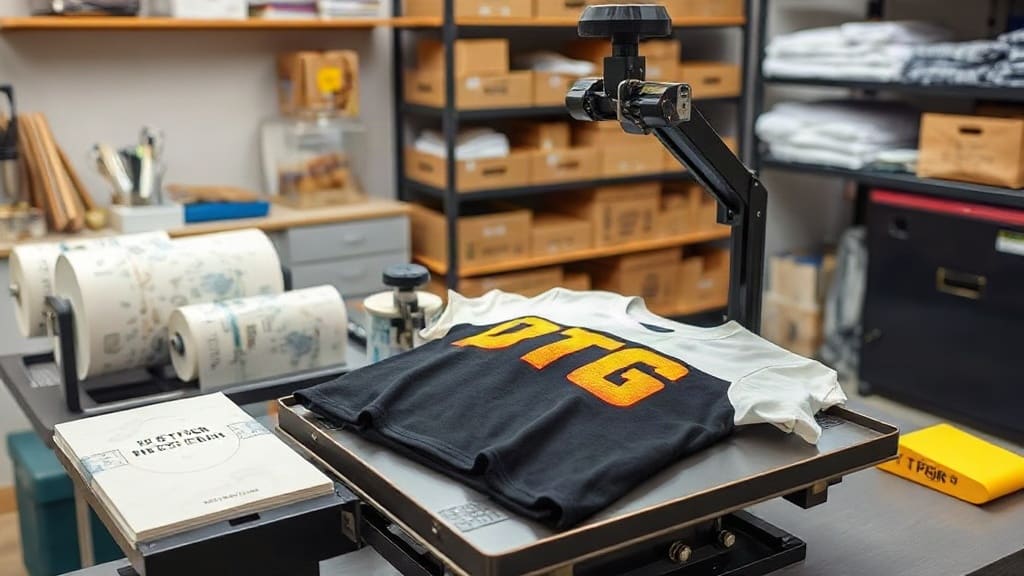
If you're in the custom printing world, you've likely heard of DTF (Direct to Film). This innovative technology has taken the industry by storm, offering a versatile and cost-effective way to create vibrant designs on various fabrics. But what exactly are DTF transfers, and why are they becoming the go-to choice for both hobbyists and large-scale producers? In this comprehensive guide, we'll dive deep into the world of DTF printing, explore its advantages, and give you practical tips on finding DTF transfers near me.
I remember the first time I tried DTF transfers. I was skeptical, having struggled with screen printing and vinyl for years. The promise of high-quality, full-color prints on demand without the hefty setup costs seemed too good to be true. But after running a few test prints, I was hooked. The details were crisp, the colors popped, and the durability equaled any other method I'd used. Since then, I've integrated DTF into my workflow, and it's transformed how I handle custom orders. Whether you're a seasoned printer or just starting, understanding DTF transfers can open up a world of possibilities.
What Are DTF Transfers?
DTF printing starts with a special film onto which your design is printed using a DTF printer and specialized inks (typically CMYK plus white). After printing, an adhesive powder is applied to the wet ink, and the film is heated to cure the adhesive. The result is a transfer that can be stored and applied later. To apply, you simply place the film on a garment or other fabric and press it with a heat press. The heat melts the adhesive, bonding the design to the fabric, and you peel away the film. The process is straightforward, making it accessible even for those new to garment decoration.
How Does DTF Work?
The DTF process involves a few key steps: printing, powdering, curing, and pressing. First, you print your design in reverse onto a PET film using DTF inks. The white ink is printed first to create a white base, then the CMYK colors on top. Next, you apply a hot-melt adhesive powder to the wet ink. The powder sticks only to the printed areas. Then, you cure the film in an oven or using a heat press at a low temperature to melt the powder and set it. Finally, you're ready to transfer. Place the film on your substrate, press it with a heat press at around 160°C for 15-20 seconds, and peel. The result is a vibrant, durable print that stretches with the fabric.
Benefits of DTF Transfers
Why choose DTF over other methods? Let's break down the advantages:
- Versatility: DTF works on a wide range of fabrics, including cotton, polyester, blends, and even hard surfaces like wood and glass.
- No Weeding: Unlike vinyl, there's no tedious weeding. The entire design transfers in one piece.
- Full Color: You can print complex, multi-colored designs with gradients and details that would be difficult with other methods.
- Cost-Effective: No screens or setup fees, making it ideal for small batches and one-off orders.
- Durability: DTF prints are known for their elasticity and resistance to cracking and fading, even after many washes.
DTF vs. Other Printing Methods
When you compare DTF to screen printing, DTF offers more flexibility for short runs and requires less equipment. Screen printing is still economical for large quantities, but the upfront cost for screens and setup can be prohibitive for small orders. DTG (Direct to Garment) printing is great for cotton but often struggles with polyester and requires pre-treatment. DTF transfers, on the other hand, have no such limitations. You can print on demand and even apply them to non-fabric items like bags and signs, which is a huge bonus.
How to Use DTF Transfers at Home
If you're a DIY enthusiast, you can start with DTF transfers without owning a printer. Many online services allow you to upload your design and receive ready-to-press transfers in the mail. Then, all you need is a heat press (or even a household iron, though a press is better) to apply them. It's a simple process: pre-press your garment to remove wrinkles, place the transfer on the desired spot, cover it with a silicone sheet or parchment paper, and press firmly. After pressing, peel the film while it's still warm or after it cools, depending on the manufacturer's instructions. This ease of use is why many people search for DTF transfers near me to get local service.
Where to Find DTF Transfers Near You
Searching for "DTF transfers near me" can lead you to local print shops that offer DTF transfer services. But what should you look for? Start by checking reviews and asking for samples. A reputable provider will be transparent about their printing process and materials. Also, consider the turnaround time and whether they offer custom design help. If you're planning to buy in bulk, ask about wholesale pricing. Alternatively, many online stores ship quickly, so you can get high-quality transfers delivered to your door. The key is to research and choose a supplier that uses quality films and inks to ensure the best results.
Tips for Choosing a DTF Transfer Provider
When selecting a provider for DTF transfers, here are some insider tips I've learned from experience:
- Request samples: Before committing to a large order, order a test print to check color accuracy, ink density, and durability.
- Check their equipment: Ask about their printer and powdering system. High-quality equipment often translates to better output.
- Inquire about film and inks: The quality of the PET film and inks significantly affects the final result. Look for providers using reputable brands.
- Ask about their curing process: Proper curing is crucial for adhesion. A provider that uses a proper oven or heat press for curing is preferable.
- Read reviews: See what other customers say about their orders, especially regarding washability and durability.
Common Mistakes to Avoid with DTF Transfers
Even with the best transfers, you might encounter issues if you don't follow the right steps. Here are common pitfalls and how to avoid them:
- Incorrect temperature: Pressing at too low a temperature can result in poor adhesion, while too high can scorch the film. Always follow the recommended settings.
- Peeling too early or late: Some films need cold peel, others hot peel. Check the instructions carefully.
- Insufficient pressure: If you don't apply enough pressure, the design may not fully transfer. Use a heat press and ensure even pressure.
- Skipping pre-press: Always pre-press your garment to remove moisture and wrinkles for a smoother application.
- Stretching the fabric immediately: Allow the print to cool and set before handling roughly.
Frequently Asked Questions
Can DTF transfers be used on dark fabrics?
Absolutely. One of the biggest advantages of DTF is its ability to print on dark colors. The white ink base ensures your design stands out vividly, whether you're printing on black, navy, or red.
How many washes do DTF transfers last?
With proper application and care, DTF transfers can last for 50 or more washes without significant fading or cracking. Washing inside out and avoiding high heat in the dryer helps extend the life of the print.
What is the best fabric for DTF transfers?
DTF works well on most fabrics, including cotton, polyester, and blends. However, for best results, fabrics with a smooth surface are ideal. Highly textured fabrics like fleece may require a bit more care during pressing to ensure good contact.
Do DTF transfers require a special printer?
If you're printing them at home, you'll need a DTF printer, which is specifically designed for this process. But if you're buying ready-made transfers from a service, no special equipment is needed on your end, just a heat press.
Can DTF transfers be used on items other than clothing?
Yes, they can be applied to many surfaces like tote bags, mousepads, and even wood. The key is to use a heat press that can accommodate the item and apply even pressure.
Conclusion
DTF transfers are a game-changer for custom printing, offering an unbeatable combination of quality, versatility, and ease. Whether you're a small business owner looking to expand your product line or a hobbyist exploring new creative avenues, DTF technology provides a practical and profitable solution. So, next time you're thinking about custom apparel, consider DTF transfers and search for DTF transfers near me to get started. You won't be disappointed with the results.