
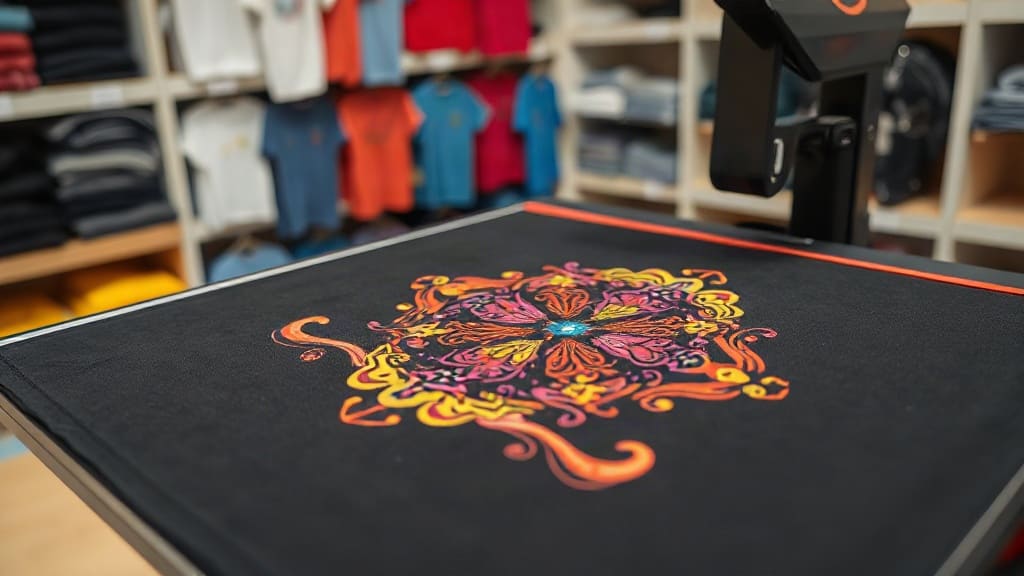
In the fast-paced world of apparel customization, finding a method that balances quality, cost, and ease of use is key. DTF transfers have emerged as a game-changer, offering a versatile and durable solution for both hobbyists and businesses. Unlike traditional screen printing or vinyl, DTF (Direct to Film) transfers allow you to print vibrant designs onto a special film and then transfer them to fabric using heat. This method opens up a world of possibilities, from small batch orders to full-color intricate artwork. Whether you are a seasoned professional or just starting, understanding the ins and outs of DTF can elevate your custom apparel game. In this guide, we will dive deep into what makes DTF transfers so popular, how to use them effectively, and why they might be the perfect fit for your next project.
What Are DTF Transfers?
DTF, or Direct to Film, is a printing process that involves printing your design onto a special PET film using a DTF printer. The printed film is then coated with a hot-melt adhesive powder, which is melted and cured. Later, this film is placed onto a garment and pressed with heat and pressure, transferring the design onto the fabric. The result is a soft, vibrant, and durable print that can be applied to a wide range of materials, including cotton, polyester, blends, and even leather.
The key difference between DTF and other methods like DTG (Direct to Garment) or screen printing is the transfer film. This allows for greater flexibility, as you can print designs in advance and apply them when needed. This makes DTF an excellent option for on-demand printing, custom orders, and even retail packaging.
Benefits of Using DTF Transfers
There are numerous reasons why DTF has gained such a loyal following in the custom apparel industry. Let's explore some of the most compelling benefits.
Vibrant Colors and Excellent Print Quality
One of the standout features of DTF transfers is their ability to produce bright, vivid colors. Because the ink is printed onto a transparent film and then transferred, the colors pop on both light and dark fabrics. White ink is printed as an underbase, ensuring that the design remains vibrant even on black or colored shirts. The level of detail is impressive, allowing for fine lines and intricate patterns without loss of quality.
Exceptional Durability and Flexibility
DTF prints are known for their durability. The combination of high-quality inks and adhesive powder creates a bond that can withstand repeated washing and wearing. The prints do not crack or fade easily, making them a favorite for workwear, sports apparel, and everyday tees. Additionally, the prints have a soft hand-feel, meaning they do not have the heavy, plasticky texture that can be seen in some other transfer methods. This makes them comfortable to wear right away.
Versatility Across Materials
Unlike some methods that are limited to certain types of fabric, DTF transfers can be applied to a wide variety of materials. Whether you are working with cotton, polyester, nylon, denim, or blends, DTF adheres well and maintains its quality. This versatility extends to other items as well, such as tote bags, hats, and even mousepads. This makes DTF a one-stop solution for all your customization needs.
Cost-Effective for Small Runs and Custom Orders
For small businesses and entrepreneurs, DTF offers a cost-effective way to produce custom apparel without the high minimums associated with screen printing. With DTF, you can print single items or small batches easily, making it perfect for personalized gifts, limited editions, or testing new designs. The printing process itself is relatively quick, allowing you to fulfill orders fast.
How to Use DTF Transfers: A Step-by-Step Guide
Getting started with DTF transfers is easier than you might think. Here is a simple guide to help you achieve professional-looking results.
- Print Your Design: Use a DTF printer to print your design onto a special PET film. Ensure that you print with the correct color settings and use a white ink underbase for dark garments.
- Apply Adhesive Powder: While the ink is still wet, cover the printed design with DTF adhesive powder. Shake off the excess powder, making sure to remove any from the unprinted areas.
- Cure the Powder: Heat the film to melt the adhesive powder and bond it to the ink. This is typically done using a heat press or a dedicated powder curing oven. The temperature and time may vary, but a common setting is 160°C (320°F) for 2-3 minutes.
- Pre-Press Your Garment: Before applying the transfer, pre-press your garment for a few seconds to remove any moisture and wrinkles. This ensures a smooth application.
- Transfer the Design: Place the film onto the garment with the printed side facing down. Apply heat and pressure using a heat press. The recommended temperature is usually 160-170°C (320-340°F) for about 15 seconds with medium to firm pressure.
- Peel the Film: Once pressed, carefully peel the film away. You can do a hot peel or cold peel, but check the instructions from your film manufacturer. As a general rule, cold peeling often works best for DTF transfers.
And that's it! You have a vibrant, durable print ready to wear or sell.
Tips for Getting the Best Results
To ensure your DTF transfers always come out looking fantastic, keep these pro tips in mind.
- Use High-Quality Materials: Invest in good quality DTF film, ink, and adhesive powder. The quality of your materials directly impacts the final product.
- Calibrate Your Printer: Regular printer maintenance, including nozzle checks and color calibration, will help maintain consistent print quality.
- Test on Similar Fabric: Before pressing a full batch, do a test press on a piece of the same fabric you plan to use. This helps you adjust temperature and time for the best bond.
- Wash with Care: While DTF prints are durable, washing garments inside out in cold water and avoiding harsh chemicals can extend their life.
Common Mistakes to Avoid
Even experienced printers can run into issues. Here are some common pitfalls and how to avoid them.
- Too Much Adhesive Powder: Using excessive powder can cause the transfer to have a thick, rubbery feel and may not adhere correctly. Always shake off the excess well.
- Incorrect Pressing Temperature: If the temperature is too low, the adhesive may not bond properly. If it's too high, the garment can scorch or the ink may bleed. Follow the recommended settings and do a test if unsure.
- Peeling Too Early: Peeling the film while the transfer is still hot can cause parts of the design to lift off. Wait until it cools down, unless your film specifically says hot peel.
Frequently Asked Questions
Can DTF transfers be used on dark-colored garments?
Yes, DTF transfers are perfect for dark fabrics. The white ink underbase ensures that the colors stay vibrant and opaque, even on black or navy shirts. This is one of the major advantages over other methods like vinyl.
How many washes can a DTF transfer withstand?
With proper application and care, DTF transfers can withstand up to 40-50 washes or more without significant fading or cracking. To maximize longevity, wash the garments inside out in cold water and avoid using bleach or fabric softeners.
Do I need a special printer for DTF transfers?
Yes, you need a DTF printer, which is typically an Epson or other inkjet printer that has been converted to use DTF inks and films. These printers are specifically designed to handle the white ink and the special film used in the process. It is possible to convert a standard inkjet printer, but for best results, it's recommended to use a dedicated DTF printer.
Can I use DTF transfers on materials other than cotton?
Absolutely. DTF transfers work well on a variety of fabrics, including polyester, cotton-poly blends, nylon, and even leather. However, the pressing time and temperature may need to be adjusted for different materials. Always test on a small area first.
What is the difference between DTF transfers and screen printing?
Screen printing is a traditional method where ink is pushed through a mesh screen onto the fabric, creating a stencil-like print. DTF transfers, on the other hand, are printed onto a film and then heat-pressed onto the garment. DTF offers more flexibility for small batches and complex designs, while screen printing is more cost-effective for large quantities but has higher setup costs.
In conclusion, DTF transfers offer an unbeatable combination of quality, versatility, and ease of use. Whether you are creating custom apparel for your business or personal projects, this method allows you to bring your designs to life with stunning results. By following the steps and tips outlined above, you can harness the power of DTF transfers and take your customization skills to the next level. So why wait? Start exploring the world of DTF today and see the difference it can make in your printing projects.