
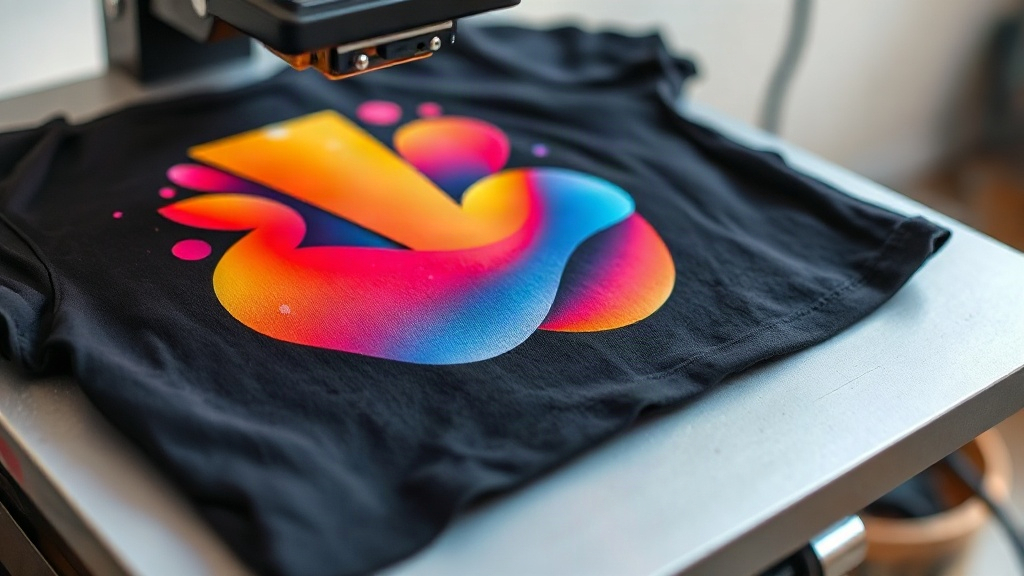
Imagine pressing a vibrant, full-color design onto a dark cotton t-shirt without the hassle of weeding or the limitations of traditional heat transfer vinyl. That's the promise of DTF printing, a technology that has taken the custom apparel world by storm. Whether you're a hobbyist crafter or a small business owner, understanding DTF printing can open up a world of creative possibilities. In this guide, we'll walk you through the essentials: what DTF is, how it works, and why it might be the perfect solution for your next project.
What is DTF Printing?
DTF stands for Direct to Film. It's a printing method where your design is printed onto a special transfer film, coated with a powder adhesive, and then heat-pressed onto the fabric. Unlike DTG (Direct to Garment) printing, which prints directly onto the shirt, DTF allows you to print on a wide range of fabrics, including cotton, polyester, blends, and even nylon. The result is a soft, stretchable print that holds up wash after wash.
How Does DTF Printing Work?
The DTF process can be broken down into four main steps: designing, printing, powdering, and pressing. Let's explore each.
Step 1: Design Preparation
First, you'll need a design. This can be anything from a simple logo to a complex photograph. The key is to prepare your file correctly. Most DTF printers require a CMYK color profile, and your design should be mirrored (flipped horizontally) before printing. This is crucial because the film is pressed face-down onto the fabric, so the image needs to be reversed to appear correctly.
Step 2: Printing onto Film
Your design is printed onto a special DTF film using a DTF printer. These printers use pigment-based inks that are vibrant and durable. The printer lays down a layer of white ink first (if printing on dark fabrics), followed by the color layers. This white base ensures that the colors pop, even on black or navy garments.
Step 3: Powdering and Curing
After printing, the film is covered with a thermoplastic powder (often called hot melt adhesive). The excess powder is shaken off, and then the film is heated to melt the powder. This creates a adhesive layer that will bond the print to the fabric. This step is critical for durability; without proper curing, the print may crack or peel.
Step 4: Heat Pressing
Finally, the prepared film is placed onto the garment and heat-pressed. The heat and pressure activate the adhesive, transferring the design from the film to the fabric. Once cooled, the film is peeled away, leaving a soft, flexible print that's integrated into the fabric.
Why Choose DTF Printing?
DTF printing offers several advantages over other decoration methods. Here are some compelling reasons to consider it:
- Versatility: Works on almost any fabric, including cotton, polyester, blends, and even leather.
- No Weeding: Unlike HTV, there's no tedious cutting and weeding of vinyl.
- Full-Color: Can produce photographic-quality images with gradients and fine details.
- Durability: Prints are stretchable and resistant to cracking and fading.
- Cost-Effective: For small to medium runs, DTF can be more affordable than screen printing.
DTF vs. Other Printing Methods
How does DTF stack up against DTG, screen printing, and HTV? Let's compare.
DTF vs. DTG
DTG prints directly onto the garment, which limits it mostly to 100% cotton. DTF, on the other hand, can be used on a wider range of fabrics and often produces more vibrant colors on dark shirts. However, DTG has a softer hand feel and is better for very fine details. Both have their place, but DTF is more versatile.
DTF vs. Screen Printing
Screen printing is king for large orders, offering the lowest cost per piece. But it requires separate screens for each color and has setup costs. DTF shines for small batches and complex designs with many colors, as there's no per-color cost. For a one-off or a dozen shirts, DTF is often more practical.
DTF vs. HTV
HTV (heat transfer vinyl) is great for simple designs but requires weeding, which is time-consuming. DTF eliminates weeding and allows for full-color prints that HTV can't match. If you're doing multi-color designs, DTF is a game-changer.
Getting Started with DTF Printing
Ready to dive into DTF printing? Here's what you'll need:
- DTF Printer: Options range from converted Epson printers to dedicated DTF machines. Research to find one that fits your budget and volume.
- DTF Film: Available in rolls or sheets. Choose the right thickness for your printer.
- DTF Powder: The adhesive powder. There are different types for different fabrics.
- Heat Press: A reliable heat press is essential for consistent results.
- RIP Software: This software helps manage color profiles and print settings.
Start with a small setup to learn the ropes. Practice on scrap fabric to dial in your settings. Join online communities to learn from others' experiences. The DTF community is welcoming and full of tips.
Common DTF Mistakes to Avoid
Even seasoned pros make mistakes. Here are a few to watch out for:
- Not mirroring the image: Forgetting to flip your design results in a backward print.
- Insufficient powder: Too little powder leads to poor adhesion; too much causes a rough texture.
- Incorrect pressing parameters: Each film and powder may require specific temperature, pressure, and time. Always follow the manufacturer's recommendations.
- Skipping the curing step: Uncured powder won't adhere properly, leading to premature peeling.
Frequently Asked Questions
How long does a DTF print last?
With proper application and care, a DTF print can last as long as the garment itself. It withstands dozens of washes without fading or cracking. Always wash inside out in cold water and avoid harsh detergents.
Can I use DTF on 100% polyester?
Yes, DTF works great on polyester. In fact, it's one of the few methods that adheres well to polyester without the dye migration issues seen with some other techniques. Just ensure you use a low-temperature powder if needed.
What's the difference between DTF and DTG?
DTF (Direct to Film) involves printing on a film and transferring, while DTG (Direct to Garment) prints directly onto the fabric. DTF is more versatile across fabrics and often more vibrant on darks, while DTG is limited mainly to cotton and has a softer feel.
Do I need a special printer for DTF?
You can convert a standard inkjet printer (like certain Epson models) to use DTF inks and film, or you can buy a dedicated DTF printer. Dedicated printers are designed for higher volume and may offer better reliability.
How do I wash a DTF-printed shirt?
Turn the shirt inside out and machine wash in cold water with mild detergent. Avoid fabric softeners and bleach. Tumble dry on low or hang dry. Do not iron directly on the print.
DTF printing is more than a trend; it's a robust solution for creating custom apparel that stands out. With its versatility, durability, and ease of use, it's no wonder more and more creators are adding DTF to their toolkit. Whether you're printing for fun or for profit, the world of DTF is wide open. So why not give it a try? Your next masterpiece is just a press away.