
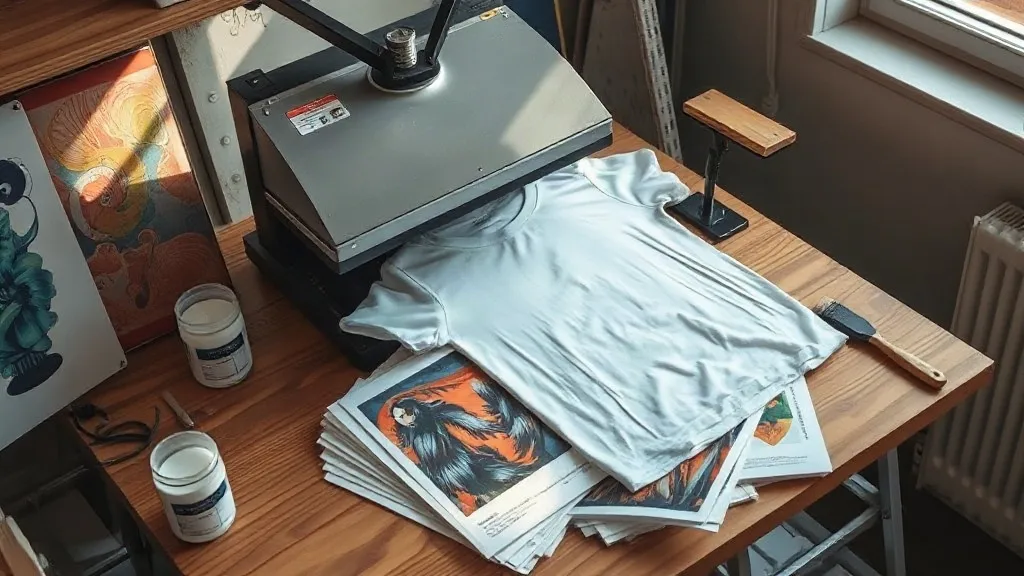
Most small print shops meet dtf transfers the same way: a customer walks in with a photo of a hoodie from social media and asks if you can match it. Screen printing needs a minimum run, vinyl struggles with gradients, and heat transfer paper feels like a compromise. That is the moment DTF starts to make sense. It handles full-color artwork, works on cotton, polyester and blends, and lets you produce a single piece without setting up a screen. But the gap between trying DTF once and running it profitably every week is wider than most tutorials admit. This guide covers what actually matters on a shop floor.
What a DTF transfer really is, and why shops keep coming back to it
A dtf transfer is a printed film sheet: a printer lays down color inks onto a coated PET film, then prints a white ink layer behind them, and finally dusts the wet white with a hot-melt adhesive powder. After curing, the sheet becomes a transfer you can store, ship or press days later. The adhesive powder is the part people underestimate. It is what bonds the ink to the fabric, and if it is under-cured or applied unevenly, the print will crack along the edges after a few washes.
Compare it with the alternatives most shops already know. Screen printing is cheaper per unit at volume and offers the best hand feel on large runs, but it punishes short orders. Sublimation needs polyester and light colors, and it will not bond to cotton. Vinyl is fast for one-color names and numbers but becomes impractical with photographic artwork. DTF sits in the middle: no color limits, no garment restrictions worth worrying about, and no setup cost per design. For a shop doing twenty different one-off jobs a week, that flexibility is worth more than a lower per-shirt price on a five-hundred-piece order you rarely get.
Where DTF performs best
- Small batches and one-offs where screens would never pay off.
- Full-color artwork with gradients, photos or fine detail.
- Dark garments, where the white ink layer does the heavy lifting.
- Blanks you cannot sublimate, including 100% cotton tees and canvas totes.
- Rush jobs, because a transfer can be printed, cured and pressed in under fifteen minutes.
Buying transfers versus printing your own
The first decision is whether to invest in a printer and shaker or to order finished transfers from a supplier. Printing in-house gives you control and a lower cost per sheet once volume is high, but the entry cost is real: printer, ink, film, powder, curing oven, and the floor space to hold it all. You also inherit maintenance. Printheads clog when idle, white ink settles and needs circulation, and film absorbs humidity if stored carelessly.
Ordering transfers from a supplier removes all of that. You send artwork, receive gang sheets, and press them when the order arrives. The trade-off is turnaround and per-sheet cost. Many shops run a hybrid model: keep a small in-house setup for same-day work and order larger or specialty jobs from a supplier. If you are searching for dtf transfers near me because a customer needs a sample today, ordering a gang sheet is often faster than fighting a clogged printhead you have not used in two weeks.
Questions to ask a supplier before you commit
- What film and powder do you use, and how do you cure the sheets?
- Can I send a gang sheet with mixed designs at no extra charge?
- What is your typical turnaround, and do you ship same day?
- How do you handle color accuracy on dark garments?
- Do you replace sheets that arrive with powder transfer or creasing?
A supplier who answers these plainly is usually a safer bet than one quoting the lowest price per sheet. Powder contamination between sheets is the most common quality complaint in the category, and it shows up as a gritty texture around the print edges.
Pressing settings that hold up after washing
Press settings vary by film brand, so treat any numbers as a starting point and test on scrap fabric. A common range for cotton tees is 150 to 160 degrees Celsius for 10 to 15 seconds with medium to firm pressure, peel warm or cold depending on the film. Press the garment first for a few seconds to remove moisture, then place the transfer and press. Moisture is the quiet enemy here: a damp shirt will produce a print that looks fine on the table and fails after two washes.
Pressure matters as much as temperature. Too little pressure and the adhesive never fully contacts the weave, so the print lifts at the corners. Too much pressure on stretchy fabrics can flatten the knit and leave a visible rectangle around the design. On polyester, lower the temperature slightly and shorten the dwell time to reduce dye migration and shine. If you are pressing onto a coated or water-resistant garment, test first, because the adhesive needs a surface it can grip.
Storage and handling
Keep unused transfers flat, in a sealed bag, away from heat and direct sun. Stacked sheets under pressure will transfer powder from the back of one sheet to the face of the next. Store them in a cool drawer, not on a shelf next to the press. If a sheet has been sitting for months, press a test piece before running a paid order.
Pricing and positioning without racing to the bottom
Print shops that treat DTF as a cheap alternative to screen printing often price it as a commodity and end up resenting the work. A better frame is to sell the outcome: full-color, small-run, fast-turnaround garment decoration. Price per print size with a sensible minimum, and charge separately for garment, pressing and design time. A shop charging a flat fee for a printed shirt and absorbing the blank cost is not making money, it is donating margin.
Be transparent about durability. A well-pressed DTF print on cotton handles normal washing inside out and survives dozens of cycles, but it will not feel like a screen print on a heavy fleece. Set that expectation before the order, not after the first complaint. Shops that explain the hand feel and care instructions up front get fewer returns and more repeat business than those that promise screen-print quality from a transfer.
Common mistakes that waste film and time
- Pressing a damp garment and blaming the film when the print lifts.
- Applying too little powder, or shaking off so much that the white layer starves.
- Peeling too hot on a cold-peel film, which stretches the design.
- Ignoring dye migration on dark polyester and getting a color shift after pressing.
- Cutting transfers by hand when a cutter would save twenty minutes per gang sheet.
- Storing sheets in a humid room and finding them wrinkled when the order arrives.
None of these are exotic failures. They are the ordinary friction points that separate a shop that uses DTF confidently from one that keeps a half-used roll of film in a drawer and avoids offering the service.
Frequently asked questions
Can DTF transfers be applied to polyester and nylon?
Yes, but with care. Lower the press temperature and shorten the dwell time, and test for dye migration on dark polyester before running a full order. Nylon and coated fabrics vary widely, so always press a scrap piece first.
How long do DTF transfers last before use?
Stored flat, dry and away from heat, most transfers stay usable for several months. Humidity and pressure are the main risks, so seal them in a bag and avoid stacking heavy items on top.
Is DTF cheaper than screen printing for small orders?
For small runs and one-offs, usually yes, because there is no screen setup cost. At high volume with few colors, screen printing typically wins on per-unit price. The crossover point depends on your supplier rates and your labor.
Do DTF prints crack after washing?
A properly cured and pressed print on a suitable fabric generally resists cracking. Cracking usually points to under-curing, insufficient pressure, a damp garment or a very stretchy fabric that was pressed with too much heat.
Can I press DTF transfers with a home iron?
It is possible but unreliable. An iron cannot deliver even pressure across a large area, so edges tend to lift. For anything a customer is paying for, a heat press with consistent temperature and pressure is the safer choice.