
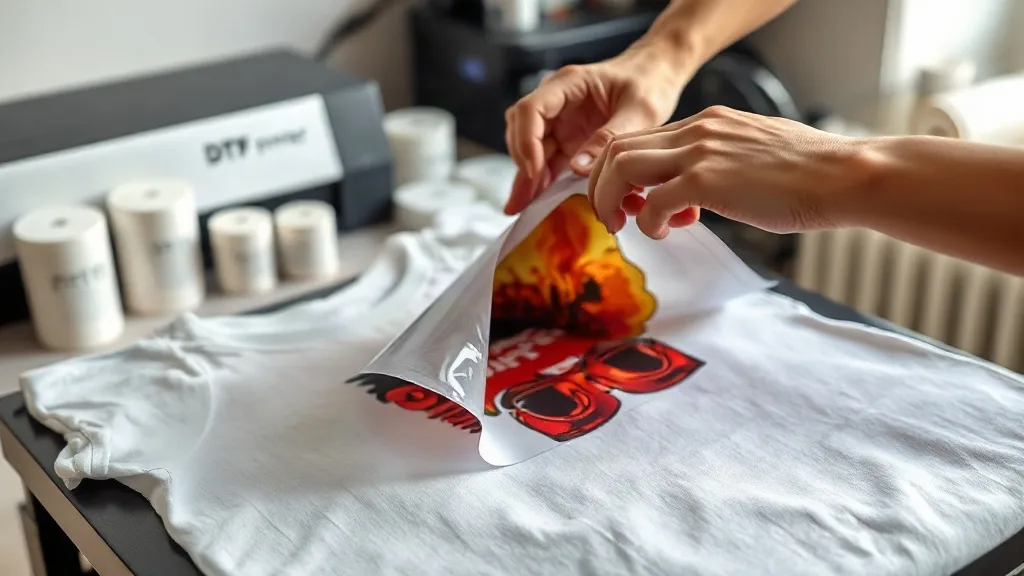
If you've been exploring custom apparel printing, you've likely encountered dtf transfers. This innovative method is transforming the way creators and businesses approach fabric printing, offering vibrant colors and impressive durability without the complexity of traditional techniques. Whether you're a hobbyist or a seasoned pro, understanding DTF can open up new possibilities for your projects.
What Are DTF Transfers?
DTF stands for Direct to Film. It's a printing process where your design is printed onto a special film, coated with adhesive powder, and then heat-pressed onto fabric. Unlike DTG (Direct to Garment) printing, which requires specialized equipment and works best on cotton, DTF can be applied to a wide range of materials, including polyester, blends, and even dark fabrics. The result is a soft, stretchable print that holds up wash after wash.
The process involves several steps: designing your artwork, printing it onto film using DTF inks, applying adhesive powder, curing the powder, and finally transferring the design onto your garment with a heat press. Each step is crucial for achieving professional-quality results.
Why Choose DTF Transfers?
There are plenty of reasons why DTF has gained such a loyal following. For starters, it's incredibly versatile. You're not limited to cotton; you can print on almost any fabric, including those that are notoriously difficult for other methods. Plus, DTF produces vivid, high-opacity colors that pop on both light and dark backgrounds.
Another major advantage is the lack of pre-treatment. Unlike DTG, which often requires pre-treating the fabric for optimal results, DTF simplifies the workflow. This saves time and reduces the risk of errors, making it ideal for small businesses or DIY enthusiasts.
Durability is another strong point. When applied correctly, DTF prints resist cracking, fading, and peeling, even after multiple washes. This makes it a reliable choice for items that see frequent use, like t-shirts, hoodies, and tote bags.
Getting Started with DTF Printing
Ready to dive in? Here's a step-by-step overview to help you get started with dtf printing.
1. Design Your Artwork
Start with a high-resolution image. DTF printing can handle intricate details, gradients, and fine lines, so don't be afraid to get creative. Ensure your design is sized appropriately for the garment and consider the fabric color when choosing your palette.
2. Print on DTF Film
Using a DTF printer, print your design onto the glossy side of the DTF film. Remember to mirror your image horizontally so it reads correctly when transferred. The printer uses special DTF inks that are formulated for this process.
3. Apply Adhesive Powder
While the ink is still wet, sprinkle the adhesive powder evenly over the printed area. Shake off any excess, then cure the powder using a heat source, such as a heat gun or oven. This step is critical for ensuring the transfer adheres properly to the fabric.
4. Heat Press the Transfer
Set your heat press to the recommended temperature (usually around 160°C or 320°F) and pressure. Place the transfer face-down onto the fabric and press for 10-15 seconds. Allow it to cool completely before peeling off the film. This cooling period is essential for a clean peel and long-lasting bond.
Tips for Perfect DTF Transfers
Even with a straightforward process, there are nuances that can affect your results. Here are some expert tips to help you achieve flawless prints every time.
- Choose the right film: Not all DTF films are created equal. Invest in high-quality film that releases cleanly and doesn't leave residue.
- Control moisture: Fabric moisture can ruin a transfer. Pre-press the garment for a few seconds to remove any dampness before applying the transfer.
- Mind the pressure: Too much pressure can cause the ink to spread, while too little results in poor adhesion. Experiment to find the sweet spot for your press.
- Store transfers properly: Keep unused transfers in a cool, dry place away from direct sunlight to prevent the adhesive from degrading.
Finding Quality DTF Supplies
As DTF printing grows in popularity, so does the availability of supplies. However, quality can vary significantly. When searching for dtf transfers near me, it's important to source from reputable suppliers who prioritize consistency and customer service. Look for reviews, ask for samples, and don't hesitate to test different brands to see what works best for your setup.
For those in the United States, dtfboost.com offers a range of DTF transfers and supplies tailored to both beginners and professionals. Their products are known for vibrant colors and reliable performance, making them a go-to choice for many in the community.
Common DTF Mistakes to Avoid
Learning from others' mistakes can save you time and frustration. Here are a few pitfalls to watch out for:
- Not mirroring the image: Forgetting to flip your design results in a backward print. Always double-check before printing.
- Insufficient powdering: If the adhesive powder isn't applied evenly or cured properly, the transfer may peel. Ensure full coverage and proper curing.
- Peeling too soon: Patience is key. Peeling the film while it's still hot can distort the print. Wait until it's completely cool.
- Using the wrong fabric: While DTF works on many materials, some fabrics with heavy coatings or finishes may not accept the transfer well. Always test on a swatch first.
DTF vs. Other Printing Methods
How does DTF stack up against screen printing, DTG, and vinyl? Each method has its strengths, but DTF shines in specific areas.
Screen printing is cost-effective for large orders but requires setup time and is less suited for complex designs with many colors. DTG excels on 100% cotton but struggles with polyester and dark fabrics. Vinyl is great for simple shapes but limited in detail. DTF, on the other hand, offers a balance: it handles intricate designs, works on diverse fabrics, and requires no pre-treatment, making it a versatile choice for small to medium runs.
Frequently Asked Questions About DTF Transfers
How long do DTF transfers last?
When applied correctly and cared for properly, DTF transfers can last as long as the garment itself. They resist cracking and fading for 50+ washes. To maximize longevity, wash inside out in cold water and avoid harsh detergents.
Can I use DTF transfers on dark shirts?
Absolutely. One of DTF's biggest advantages is its ability to produce vibrant, opaque prints on dark fabrics without the need for a white underbase. The white ink layer in the transfer ensures colors stand out.
Do I need a special printer for DTF?
Yes, DTF printing requires a dedicated DTF printer that uses DTF inks. However, if you don't want to invest in a printer, you can purchase pre-printed DTF transfers from suppliers and apply them with a standard heat press.
What fabrics work best with DTF?
DTF works on a wide range of fabrics, including cotton, polyester, blends, and even leather. It's particularly effective on fabrics that are difficult for other methods, such as polyester and nylon.
How do I store DTF transfers?
Store unused transfers in a cool, dry place, away from direct sunlight and moisture. Keep them flat to avoid creasing. Properly stored transfers can last for several months.
Final Thoughts
DTF transfers are a game-changer for anyone in the custom apparel industry. With their versatility, durability, and ease of use, they've become a preferred method for creators worldwide. By following the tips outlined here and sourcing quality supplies, you can achieve professional results that impress your customers. Whether you're just starting out or looking to expand your offerings, DTF is a skill worth mastering.