
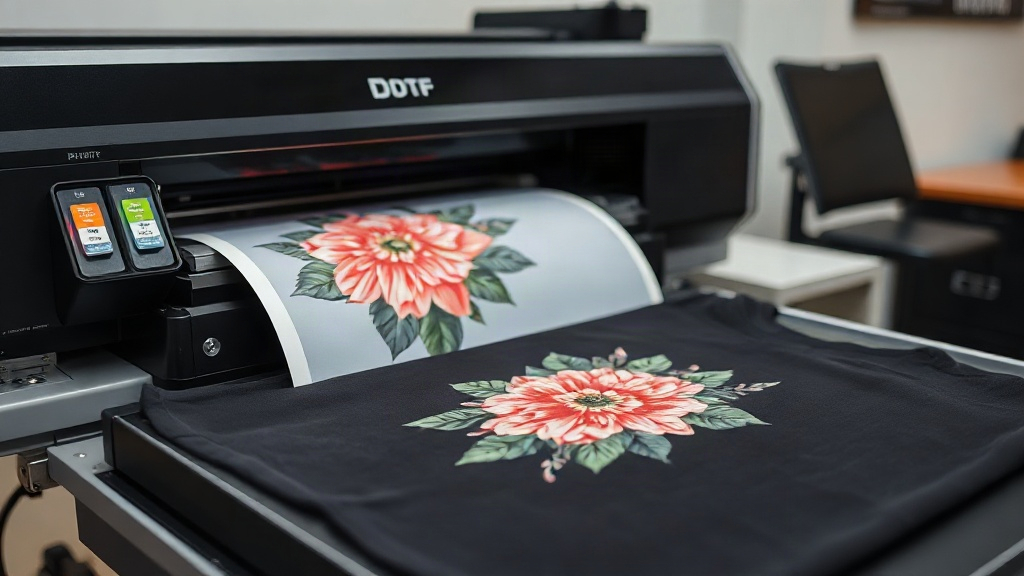
When you first hear about DTF printing, it might sound like just another acronym in the crowded world of garment decoration. But this technology is quietly transforming how small shops and large manufacturers approach custom apparel. Unlike methods that require special papers or pre-treated fabrics, DTF (Direct to Film) printing offers a versatile solution that works on almost any material, from cotton and polyester to blends and even leather. In this guide, we'll walk through the entire process, share practical tips from real-world experience, and help you avoid common pitfalls that can ruin your prints.
What Exactly Is DTF Printing?
At its core, DTF printing involves printing a design onto a special film, coating it with a hot-melt adhesive powder, and then transferring it onto a garment using a heat press. The magic lies in the adhesive powder: it melts and bonds the ink to the fabric, creating a strong, flexible bond that withstands repeated washing. Because the design sits on top of the fabric rather than being dyed into it, you can achieve bright, opaque colors even on dark backgrounds without the need for a white underbase. This makes DTF a game-changer for printing on dark or colored shirts where other methods struggle.
Why DTF Is Gaining Popularity
Several factors contribute to the rise of DTF printing. First, it eliminates the need for weeding, a time-consuming step in vinyl cutting. Second, it allows for full-color, photographic-quality prints with fine details. Third, it works on a wide range of fabrics, including those that are difficult to screen print, like nylon or waterproof materials. Finally, the startup cost is relatively low compared to other digital methods, making it accessible for home-based businesses and startups. According to industry reports, the DTF market is growing at a double-digit rate annually, driven by demand for customization and short-run production.
Step-by-Step DTF Printing Process
To get consistent results, follow these steps meticulously. Each stage affects the final outcome, so skipping or rushing can lead to disappointment.
1. Design Preparation
Start with a high-resolution image (300 DPI is ideal). Mirror the design horizontally because you'll be transferring it face-down. Ensure your printer's software is set to print on the correct film type. If you're new to DTF, begin with simple graphics before moving to complex photographs.
2. Printing on Film
Load the DTF film into your printer, usually with the matte side facing the print head. Use pigment-based inks designed for DTF; these inks are formulated to be flexible and opaque. Print a test pattern to check for clogged nozzles or color shifts. Remember, the white ink layer is crucial for opacity on dark garments, so ensure it's printed evenly.
3. Applying Adhesive Powder
While the ink is still wet, sprinkle the hot-melt adhesive powder evenly over the design. Gently shake off excess powder, then cure the film under a heat source (typically 160-180°C for 2-3 minutes) until the powder melts and becomes glossy. This step is critical: undercuring leads to poor adhesion, while overcuring can cause the film to warp.
4. Heat Press Transfer
Set your heat press to 160-170°C with medium pressure. Place the cured film on the garment, cover with a protective sheet, and press for 10-15 seconds. Peel the film while it's still warm (warm peel) or after it cools (cold peel), depending on the film's instructions. Most DTF films today are designed for warm peel, which yields a smoother finish.
Choosing the Right DTF Supplies
Not all films and powders are created equal. The quality of your supplies directly impacts durability and vibrancy. Here's what to look for:
- Film: Opt for double-sided matte film; it prevents curling and ensures consistent ink absorption. Thicker films (75-100 microns) are easier to handle and less prone to wrinkling.
- Ink: Use high-quality pigment inks specifically for DTF. Cheap inks may clog print heads and fade quickly.
- Powder: Choose a fine, consistent powder (usually TPU-based) with a low melting point. It should bond well without leaving a gritty feel.
Investing in reputable brands may cost a bit more upfront, but it saves you from reprints and customer complaints.
Common Challenges and How to Overcome Them
Even experienced printers face issues. Here are solutions to frequent problems:
- Faded or dull colors: Ensure your printer's settings are correct and the ink is fresh. Also, check that the white ink layer is sufficiently opaque.
- Poor adhesion: Likely due to undercuring of powder or insufficient pressure during transfer. Increase curing time or pressure gradually.
- Cracking after washing: This often happens if the film is peeled too early or if the powder layer is too thick. Use a thinner, even coat and follow wash instructions (wait 24 hours before washing, turn garment inside out).
- Film curling: Store film in a dry place and avoid humidity. Curling can also occur if the film is exposed to heat before printing.
DTF vs. Other Printing Methods
How does DTF stack up against screen printing, DTG, and vinyl? Screen printing is cost-effective for large orders but impractical for multi-color designs with fine details. DTG works well on cotton but struggles on dark shirts without pretreatment. Vinyl is great for simple shapes but limited in complexity. DTF shines in short runs, full-color images, and diverse fabrics. It's not perfect for every scenario, but for many small businesses, it's the most flexible option.
Frequently Asked Questions
How long does a DTF print last?
With proper application and care, a DTF print can last 50+ washes. Always wait 24 hours before the first wash, use cold water, and avoid harsh detergents. The print may outlast the garment itself.
Can I use DTF on 100% polyester?
Yes, DTF works well on polyester, but you may need to lower the heat press temperature to around 150°C to prevent dye migration. Test on a scrap piece first.
Do I need a special printer for DTF?
You can convert a standard inkjet printer to DTF by using DTF ink and film, but dedicated DTF printers offer better reliability and white ink circulation. For beginners, a converted printer is a cost-effective start.
What's the difference between DTF and DTG?
DTF transfers a printed film onto the fabric, while DTG prints directly onto the garment. DTF generally produces more vibrant colors on dark fabrics and works on more materials, but DTG has a softer feel on light cottons.
How do I store DTF film and transfers?
Keep unused film in its original packaging in a cool, dry place. Cured transfers can be stored in a sealed bag away from sunlight for several months. Avoid folding them sharply.
Final Thoughts
DTF printing is more than a trend; it's a robust technology that empowers creators to bring their designs to life on almost any fabric. By mastering the steps, choosing quality supplies, and learning from common mistakes, you can produce professional-grade apparel that delights customers. Whether you're running a side hustle or scaling a print shop, DTF offers a path to vibrant, durable prints without the complexity of traditional methods. So go ahead, experiment, and watch your business grow.