
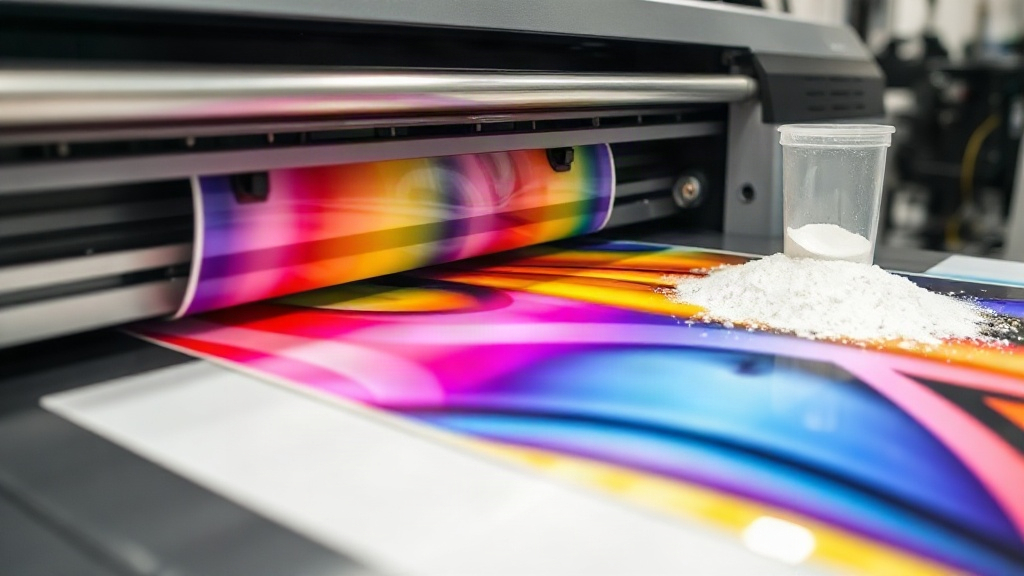
If you've been exploring custom apparel decoration, you've likely encountered DTF printing. Short for Direct-to-Film, this technology has rapidly gained popularity among hobbyists and professionals alike. Unlike traditional methods that require specialized equipment or multiple steps, DTF offers a streamlined approach to creating vibrant, durable transfers that adhere to a wide range of fabrics. In this guide, I'll walk you through the essentials of DTF printing, from the basic process to advanced tips, so you can decide if it's right for your next project.
What Exactly Is DTF Printing?
DTF printing is a digital printing method where your design is printed onto a special film, coated with a powder adhesive, and then heat-pressed onto the fabric. The process eliminates the need for weeding or masking, making it faster and more cost-effective for short runs and complex designs. The film acts as a carrier, allowing the ink and adhesive to transfer cleanly to the substrate. Because the adhesive is applied separately, DTF works on cotton, polyester, blends, and even treated nylon. This versatility sets it apart from other decoration techniques.
How Does the DTF Process Work?
Understanding the step-by-step workflow helps you troubleshoot issues and achieve consistent results. Here's a breakdown of the typical DTF printing process:
- Design Preparation: Create your artwork in a vector or high-resolution raster format. Mirror the image horizontally before printing, as the film will be flipped during transfer.
- Printing: Use a dedicated DTF printer with pigment inks (CMYK plus white). The printer lays down the colored ink first, followed by a white ink layer that acts as a base for opacity.
- Powder Application: While the ink is still wet, the printed film passes through a powder shaker that coats it with a thermoplastic adhesive powder. Excess powder is removed.
- Curing: The film goes through a curing oven or heat press to melt the powder, creating a dry, non-tacky surface. This step is critical for wash durability.
- Transfer: The cured film is placed on the garment and heat-pressed. The adhesive bonds with the fabric, and after cooling, the film is peeled away, leaving the design behind.
Each stage requires attention to detail. For instance, insufficient powder can lead to poor adhesion, while overcuring may cause the design to crack. I learned this the hard way when I first started: my transfers peeled after one wash because I rushed the curing step. Now I always use a timer and a temperature gun to ensure consistency.
Why Choose DTF Over Other Printing Methods?
DTF printing offers several compelling advantages:
- Fabric Versatility: Works on cotton, polyester, blends, and even leather or canvas. No need for pre-treatment or specialty coatings.
- No Weeding: Unlike vinyl, there's no tedious cutting and weeding. This saves hours on intricate designs.
- Vibrant Colors: Pigment inks produce bright, saturated colors, and the white base ensures opacity on dark garments.
- Cost-Effective for Short Runs: No minimum order quantities, making it ideal for small businesses or one-off custom items.
- Durability: When properly applied, DTF transfers withstand dozens of washes without fading or cracking.
However, it's not without limitations. DTF can feel slightly thicker than screen printing on large solid areas, and the hand feel may not be as soft as DTG on 100% cotton. But for many applications, the benefits outweigh these drawbacks.
Essential Equipment for DTF Printing
To get started with DTF, you'll need:
- DTF Printer: A printer designed for pigment inks with white ink circulation. Epson conversions are popular, but purpose-built machines are now available.
- DTF Film: PET film with a special coating to hold the ink and powder.
- Adhesive Powder: Thermoplastic polyurethane (TPU) powder, typically in fine or medium grade.
- Powder Shaker: Manual or automatic, to apply powder evenly.
- Curing Oven or Heat Press: For melting the powder. A heat press can work, but a dedicated oven provides more consistent results.
- Heat Press: For transferring the cured film to the garment.
You'll also need a reliable source of supplies. I recommend testing different films and powders to find the combination that works best for your climate and workflow.
Step-by-Step DTF Transfer Application
Once you have your cured film, applying it is straightforward. Here's my go-to method:
- Preheat the Heat Press: Set to 325°F (160°C) for cotton, or 300°F (150°C) for polyester. Preheat for at least 10 minutes.
- Prepress the Garment: A quick 5-second press removes moisture and wrinkles.
- Position the Transfer: Place the film on the garment with the design facing up. Ensure it's exactly where you want it.
- Press: Apply medium pressure for 10-15 seconds. Use a Teflon sheet or parchment paper to protect the film.
- Cool and Peel: Wait until the film is cool to the touch (about 30 seconds) before peeling. Peeling while hot can distort the design.
- Post-Press (Optional): For extra durability, press again for 5 seconds with a Teflon sheet.
I always test on a scrap piece of fabric first, especially when working with a new garment type. This simple habit has saved me from ruining countless shirts.
Common DTF Problems and How to Fix Them
Even experienced users run into issues. Here are some frequent problems and their solutions:
- Design Peeling After Wash: Usually due to undercuring or insufficient pressure. Increase curing time or pressure. Also, ensure the garment is clean and dry before pressing.
- Faded Colors: May be caused by low ink saturation or expired film. Check your printer settings and film storage.
- Powder Not Sticking: The ink may be too dry. Adjust the printer's ink density or humidity levels.
- Cracking: Often from overcuring or stretching the garment after transfer. Follow recommended curing parameters and avoid stretching the design area.
Keeping a log of your settings and results can help you pinpoint what works. I keep a notebook with details like temperature, time, and pressure for each fabric type.
DTF vs. DTG vs. Screen Printing: Which Is Right for You?
Choosing the best method depends on your specific needs. Here's a quick comparison:
- DTF: Best for complex designs, small batches, and diverse fabrics. No weeding, vibrant colors, but slightly thicker feel.
- DTG: Ideal for 100% cotton, soft hand, but requires pre-treatment and can be less vibrant on dark colors.
- Screen Printing: Most cost-effective for large runs, excellent durability, but setup costs are high and color changes require new screens.
For a home-based business or custom gifts, DTF often strikes the best balance between quality and convenience.
Frequently Asked Questions About DTF Printing
Can I use DTF on 100% polyester?
Yes, DTF works well on polyester. However, polyester is heat-sensitive, so use lower temperatures (around 300°F) and shorter press times to avoid scorching or dye migration. Always test first.
How long do DTF transfers last?
With proper application and care, DTF transfers can last 50+ washes. Wash garments inside out in cold water and avoid harsh detergents or bleach. Tumble dry low or hang dry.
Do I need a special printer for DTF?
You can convert certain Epson printers to DTF, but purpose-built DTF printers are now available and often more reliable. They include white ink circulation systems and are designed for the viscosity of DTF inks.
What is the best powder for DTF?
TPU powder is the standard. Fine powder (80-200 microns) works for detailed designs, while medium powder (200-300 microns) is better for large solid areas. Experiment to see what adheres best in your environment.
Can I DTF print on dark shirts?
Absolutely. The white ink layer in DTF provides a bright base, so colors pop on dark fabrics. Just ensure your white ink is properly maintained and printed at high opacity.
Mastering DTF printing takes practice, but the rewards are worth it. Whether you're decorating team jerseys, custom t-shirts, or promotional items, this technology opens up a world of possibilities. Start with small tests, keep detailed notes, and soon you'll be producing professional-quality transfers with ease.