
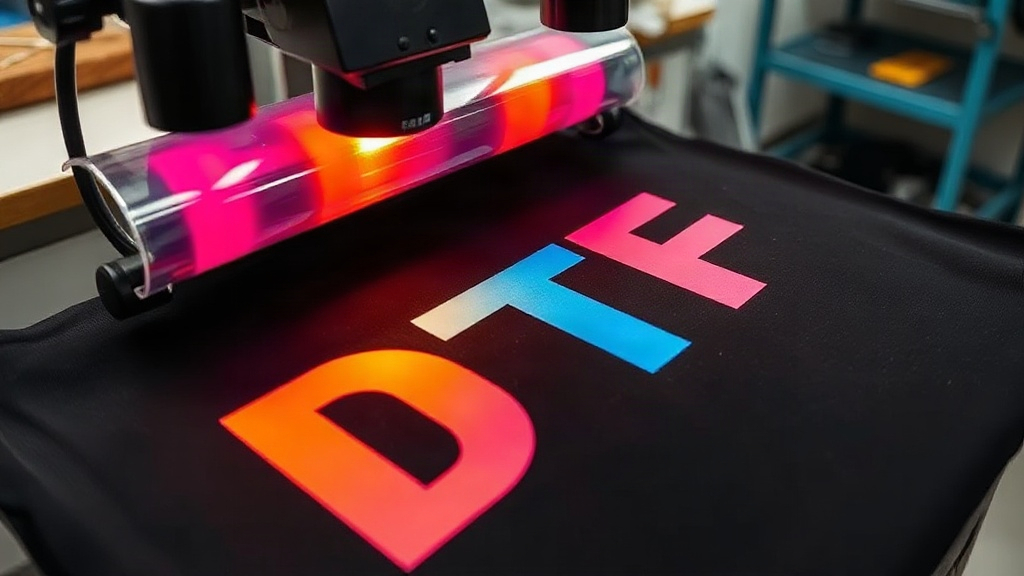
When you want to create custom t-shirts, hoodies, or tote bags that stand out, the printing method you choose makes all the difference. Among the many options, DTF Transfers have quickly become a favorite for both small business owners and DIY crafters. Why? Because they offer vibrant colors, incredible durability, and the flexibility to print on almost any fabric. If you're tired of cracked vinyl or faded prints, DTF transfers might be the solution you've been searching for.
What Are DTF Transfers?
DTF stands for Direct to Film. It's a printing technology where your design is printed onto a special film, coated with a powder adhesive, and then heat-pressed onto your garment. Unlike DTG (Direct to Garment) printing, which requires the fabric to be pre-treated and works best on 100% cotton, DTF transfers can adhere to a wide range of materials, including polyester, blends, and even nylon. This versatility is a game-changer for anyone who works with different types of apparel.
The process involves a few key steps: first, your design is printed onto a PET film using specialized inks. Then, a thermoplastic powder is applied while the ink is still wet. After shaking off the excess powder, the film is cured, and your transfer is ready to be pressed onto a garment. The result is a soft, stretchable, and long-lasting print that feels like part of the fabric.
Why Choose DTF Transfers Over Other Methods?
If you've experimented with heat transfer vinyl (HTV) or screen printing, you know each has its limitations. HTV is great for simple designs but can be time-consuming for multi-color graphics. Screen printing is cost-effective for large orders but requires separate screens for each color, making small batches expensive. DTF transfers bridge these gaps.
Unmatched Color Vibrancy and Detail
DTF transfers can reproduce intricate details, gradients, and photographic images with stunning accuracy. Because the design is printed with CMYK+White inks, you get full-color output without the need for multiple screens or layers. The white ink base ensures that colors pop even on dark garments, which is a common challenge with other methods.
Compatible with Almost Any Fabric
Whether you're working with cotton, polyester, spandex, leather, or even denim, DTF transfers adhere beautifully. This opens up a world of possibilities for customizing different types of apparel, from performance wear to canvas bags. You're no longer limited to cotton-only items.
Durability That Withstands Wash After Wash
When applied correctly, DTF transfers are incredibly durable. They resist cracking, peeling, and fading, even after repeated washing. The key is proper application and care, which we'll cover later. Many users report that their DTF-printed shirts last for years without significant wear.
How to Apply DTF Transfers: A Step-by-Step Guide
Applying DTF transfers is straightforward, but following the right steps ensures a professional finish. Here's what you need to do:
- Prepare your workspace: You'll need a heat press, a lint roller, and a protective sheet (like parchment paper or Teflon).
- Pre-press the garment: This removes moisture and wrinkles. Press for 5-10 seconds at 300-320°F (150-160°C).
- Position the transfer: Place the DTF transfer on the garment with the printed side facing up. The film should be on top.
- Press: Apply medium to heavy pressure for 10-15 seconds at 300-320°F (150-160°C).
- Peel: Wait for the transfer to cool completely (cold peel) before slowly removing the film. This allows the adhesive to set properly.
- Post-press: For extra durability, cover with a protective sheet and press again for 5-10 seconds.
Note: Always check the specific instructions from your DTF transfer supplier, as temperatures and times can vary slightly.
Common Mistakes to Avoid with DTF Transfers
Even though DTF transfers are forgiving, some pitfalls can ruin your results. Here are a few to watch out for:
- Insufficient pressure: If the pressure is too light, the transfer won't adhere properly, leading to peeling. Make sure your heat press is calibrated.
- Wrong temperature: Too hot and the film may melt or the ink may scorch; too cold and the adhesive won't activate. Use a infrared thermometer to verify.
- Peeling too soon: Always wait for the transfer to cool completely before peeling. Hot peel can distort the design.
- Not pre-pressing: Skipping this step can cause moisture to interfere with adhesion.
- Using the wrong film: Not all DTF films are created equal. Choose high-quality films designed for your specific printer and ink.
DTF Transfers vs. Other Printing Methods
Let's compare DTF transfers to the most common alternatives:
- DTG (Direct to Garment): Best for 100% cotton, but requires pre-treatment and can be less vibrant on dark shirts. DTF works on more fabrics and often has better color payoff.
- Screen Printing: Cost-effective for large orders of simple designs, but setup costs are high for multi-color jobs. DTF is more flexible for small batches and complex art.
- Heat Transfer Vinyl (HTV): Great for simple shapes and text, but layering multiple colors is labor-intensive. DTF handles full-color designs in one press.
- Sublimation: Only works on polyester and requires white or light-colored substrates. DTF can be applied to any color and fabric type.
Tips for Getting the Best Results
To ensure your DTF transfers look professional and last long, keep these tips in mind:
- Store transfers properly: Keep them in a cool, dry place away from direct sunlight. Use them within a few weeks for optimal adhesion.
- Test on scrap fabric: Before pressing onto a final garment, do a test run to dial in your settings.
- Use a quality heat press: A reliable press with consistent temperature and pressure is essential. Clamshell or swing-away presses both work well.
- Wash inside out: To prolong the life of your print, turn the garment inside out and wash in cold water. Avoid fabric softeners and bleach.
- Tumble dry low or hang dry: High heat can degrade the adhesive over time.
Frequently Asked Questions About DTF Transfers
Can I use DTF transfers on dark-colored shirts?
Absolutely. DTF transfers include a white ink layer that acts as a base, allowing vibrant colors to show up beautifully on dark fabrics. This is one of their biggest advantages over DTG printing.
How long do DTF transfers last?
With proper application and care, DTF transfers can last as long as the garment itself. They resist cracking and fading for 50+ washes when washed inside out in cold water and dried on low heat.
Do I need a special printer to make DTF transfers?
Yes, you need a DTF printer that uses DTF inks and a powder shaker. However, if you're not ready to invest in a printer, you can buy pre-made DTF transfers from suppliers and apply them with a heat press.
What's the difference between DTF and DTG?
DTF transfers are printed on film and then applied to the garment, while DTG prints directly onto the fabric. DTF works on more fabric types and doesn't require pre-treatment, but DTG can be more cost-effective for 100% cotton in large quantities.
Can I stretch DTF transfers?
Yes, DTF transfers have some stretchability, making them suitable for performance wear and stretchy fabrics. However, extreme stretching may cause minor cracking over time, so it's best to avoid overstretching the printed area.