
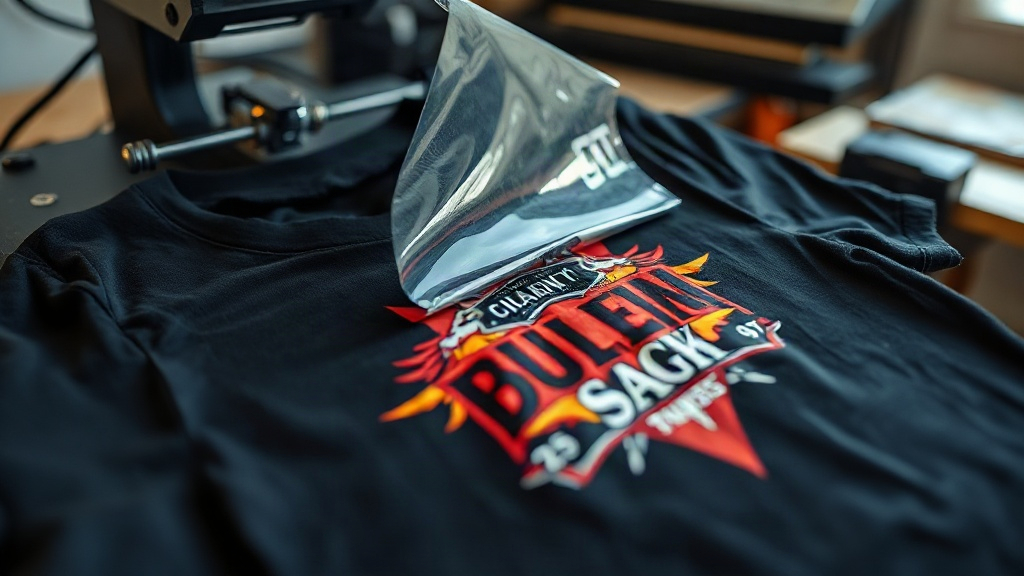
If you've been in the custom apparel game for any length of time, you've likely heard the buzz about DTF transfers. This innovative printing method is quickly becoming a favorite among small business owners, crafters, and even large-scale manufacturers. But what exactly makes DTF so special? In this guide, we'll dive deep into the world of DTF transfers, from the science behind the process to practical tips that will help you achieve professional results every time. Whether you're a seasoned pro or just starting out, understanding DTF technology can open up a world of possibilities for your custom clothing projects.
What Are DTF Transfers?
DTF stands for Direct to Film. Unlike DTG (Direct to Garment) or screen printing, DTF transfers involve printing your design onto a special film, coating it with a adhesive powder, and then heat-pressing it onto your fabric. The result is a vibrant, durable print that can be applied to a wide range of materials, including cotton, polyester, blends, and even some non-fabric items like leather and canvas.
The process begins with a digital printer that uses special DTF inks (usually CMYK plus white) to print the design onto a PET film. After printing, a fine thermoplastic powder is applied to the wet ink. This powder acts as the adhesive that will bond the design to the fabric. Once the excess powder is shaken off, the film is cured in an oven or with a heat press. The final step is transferring the design onto the garment using a heat press at a specific temperature and pressure. The film is then peeled away, leaving a soft, stretchable print that feels great and lasts wash after wash.
Why DTF Transfers Are Taking Over the Industry
There are several reasons why DTF transfers have become so popular. Let's break down the key benefits:
- Versatility: DTF works on almost any fabric, including 100% cotton, polyester, nylon, and blends. You can even apply it to dark and light garments without needing separate pretreatments or underbases.
- Durability: The prints are highly resistant to cracking, peeling, and fading. They can stretch with the fabric without losing integrity, making them ideal for activewear.
- No Weeding or Cutting: Unlike vinyl, DTF transfers don't require weeding. You simply print, powder, cure, and press. This saves hours of tedious work.
- Vibrant Colors: DTF printers can produce incredibly detailed, full-color designs with smooth gradients and fine lines. The white ink layer ensures that colors pop on dark fabrics.
- Low Startup Cost: Compared to DTG or screen printing, DTF equipment is more affordable and has a smaller footprint, making it accessible for home-based businesses.
How to Get Started with DTF Transfers
If you're ready to jump into DTF printing, here's a step-by-step overview of what you'll need and how to do it right.
1. Choose the Right Equipment
You'll need a DTF printer, DTF ink, PET film, adhesive powder, and a heat press. There are many options available, from entry-level printers to industrial machines. For beginners, a desktop DTF printer like the ones from DTFBoost can be a great starting point. Make sure to also invest in a quality heat press that can maintain consistent temperature and pressure.
2. Prepare Your Design
Your design should be in a high-resolution format, preferably PNG or TIFF with a transparent background. Remember that DTF prints are typically mirrored, so you'll need to flip your design horizontally before printing. Also, consider the size and placement of your design on the garment.
3. Print and Powder
Load the PET film into your printer and print your design using the DTF ink set. Immediately after printing, while the ink is still wet, sprinkle the adhesive powder evenly over the design. You can use a powder shaker for better coverage. Then, shake off any excess powder. You want a thin, even layer of powder sticking to the ink.
4. Cure the Transfer
Place the powdered film in a curing oven or under a heat press at around 160-170°C (320-340°F) for 2-3 minutes. The powder should melt and become glossy. This step is crucial for the durability of the transfer. If you're using a heat press, you can cure the film by pressing it between two sheets of parchment paper for about 30 seconds.
5. Heat Press onto the Garment
Set your heat press to 160-170°C (320-340°F) with medium pressure. Pre-press the garment for a few seconds to remove moisture. Place the transfer film on the garment with the design facing up. Press for 15-20 seconds. Then, remove the garment from the press and let it cool for a few seconds before peeling off the film. You can peel it hot or cold, depending on the film type. Most DTF films are cold peel, but always check the instructions.
Common Mistakes to Avoid with DTF Transfers
Even though DTF is relatively straightforward, there are some pitfalls that can ruin your prints. Here are a few to watch out for:
- Insufficient powder: If you don't apply enough powder, the transfer won't adhere properly and may peel off. Make sure the entire design is covered with a thin, even layer.
- Over-curing or under-curing: Under-cured powder will wash out, while over-curing can make the transfer brittle. Follow the recommended temperature and time.
- Wrong pressure: Too little pressure and the design won't stick; too much pressure can cause the ink to spread and lose detail.
- Ignoring fabric type: While DTF works on many fabrics, some materials like certain nylons or waterproof fabrics may require special low-temperature films or additional steps.
Applications of DTF Transfers
DTF transfers are not just for t-shirts. They can be used on hoodies, jeans, tote bags, caps, shoes, and even phone cases. The possibilities are endless. Small businesses love DTF because it allows them to offer custom products without a huge investment. It's also great for personalizing gifts or creating your own brand merchandise.
DTF vs. Other Printing Methods
How does DTF stack up against DTG, screen printing, and vinyl? Let's compare:
- DTF vs. DTG: DTG requires pretreating and works best on 100% cotton. DTF works on more fabrics and doesn't need pretreatment. DTF prints are also more durable and stretchable.
- DTF vs. Screen Printing: Screen printing is cost-effective for large orders but requires setup and is limited in colors. DTF is better for small batches and full-color designs.
- DTF vs. Vinyl: Vinyl requires weeding and layering, which is time-consuming. DTF is a one-step process and can handle complex designs with ease.
Tips for Perfect DTF Transfers
To ensure your DTF transfers come out flawless, here are some pro tips:
- Always do a test print on a scrap garment to dial in your settings.
- Keep your printer and film clean to avoid dust and debris.
- Store unused film in a dry, cool place to prevent moisture absorption.
- Use a lint roller on the garment before pressing to remove any particles.
- For best results, press on a hard, flat surface.
Frequently Asked Questions About DTF Transfers
How long do DTF transfers last?
When applied correctly, DTF transfers can last as long as the garment itself. They are resistant to cracking, peeling, and fading, and can withstand dozens of washes. To prolong the life of your print, wash the garment inside out in cold water and avoid using bleach or fabric softener.
Can I use DTF transfers on dark colors?
Absolutely! DTF transfers include a white ink layer that makes colors vibrant on both light and dark fabrics. You don't need to change your design or use special pretreatment for dark garments.
Do I need a special printer for DTF?
Yes, you need a DTF printer that uses DTF inks and can handle PET film. However, you can also buy pre-printed DTF transfers from suppliers if you don't want to invest in a printer. This is a great option for those who want to try DTF without the upfront cost.
What is the best temperature for DTF transfer?
The ideal temperature for DTF transfer is typically between 160-170°C (320-340°F). However, the exact settings can vary depending on the film and powder you use. Always refer to the manufacturer's instructions and do a test press.
Can I stretch DTF prints?
Yes, DTF prints are stretchable and can move with the fabric without cracking. This makes them perfect for athletic wear and other garments that require flexibility.
Final Thoughts
DTF transfers are a game-changer in the custom apparel industry. They offer unmatched versatility, durability, and ease of use. Whether you're a hobbyist or a business owner, incorporating DTF into your workflow can help you create stunning, long-lasting custom products. With the right equipment and a bit of practice, you'll be producing professional-quality transfers in no time. So why not give DTF a try? Your customers will love the results, and you'll love the simplicity.