
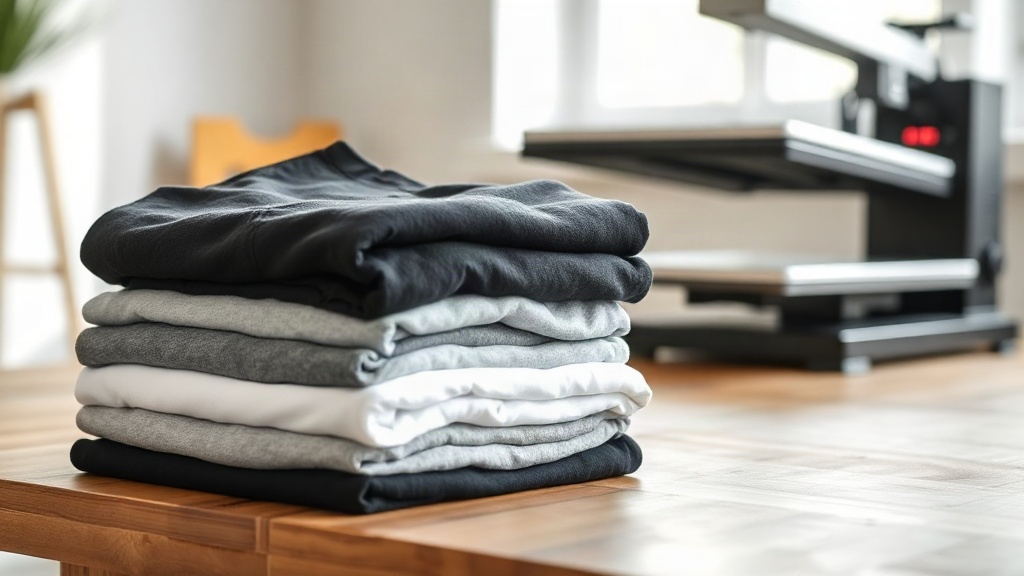
When it comes to creating custom apparel with DTF printing, the blank you choose can make or break your final product. Shaka Wear has quietly become a favorite among printers and designers for its consistent quality, soft hand feel, and reliable print surface. If you're tired of cracking prints or inconsistent results, this guide will walk you through everything you need to know about using Shaka Wear for your next DTF project.
Why Shaka Wear Stands Out in the Blank Apparel Market
Shaka Wear started as a streetwear brand but quickly gained traction in the printing community for its heavyweight cotton tees and hoodies. Unlike many budget blanks that feel thin and rough, Shaka Wear garments offer a dense, smooth texture that holds up beautifully under heat and pressure. For DTF printers, that means fewer wrinkles, better adhesion, and a print that looks crisp wash after wash.
What sets Shaka Wear apart is its focus on consistency. Whether you order a single sample or a bulk batch, the fabric weight, dye lots, and cut remain remarkably uniform. This reliability is crucial when you're printing multiple pieces for a client or a large event.
Fabric Types and Their Suitability for DTF Printing
Shaka Wear offers a range of fabric blends, each with its own advantages for DTF printing. Understanding these differences helps you pick the right blank for your design and end-use.
100% Cotton
Their classic tees are 100% cotton, typically in the 6.0 to 6.5 oz range. Cotton provides a natural, breathable feel and takes DTF transfers exceptionally well. The slightly textured surface allows the adhesive powder to grip firmly, resulting in vibrant colors and sharp details. However, cotton can shrink slightly after the first wash, so pre-shrinking or sizing up is wise for a perfect fit.
Cotton/Poly Blends
Shaka Wear also offers 50/50 and tri-blend options. These blends are softer and more durable, with less shrinkage. For DTF printing, blends can be a bit trickier because the poly content may cause the ink to sit differently. But with proper temperature and pressure settings, you can achieve excellent results. The key is to test your transfers on a sample before running a full batch.
Fleece and Hoodies
Their hoodies and crewnecks are typically a cotton/poly fleece, which provides a plush surface for DTF prints. The raised fibers can sometimes interfere with adhesion, so a good pre-press to flatten the fabric is essential. Once flattened, the print bonds securely and feels smooth to the touch.
Choosing the Right Shaka Wear Style for Your Project
With so many options, selecting the right style depends on your target audience and the vibe of your design. Here's a quick breakdown:
- Classic Tee: Ideal for everyday wear, promotional items, and retail. Its boxy fit and heavyweight cotton give a premium feel.
- Oversized Tee: Perfect for streetwear and trendy designs. The relaxed fit offers a larger print area, great for bold graphics.
- Hoodie: Best for cooler weather and higher-end merchandise. The fleece surface requires careful pre-pressing but yields a cozy, high-quality finish.
- Tank Tops: Great for summer events and gym wear. The lighter fabric demands a gentle touch during pressing to avoid scorching.
Consider your design's complexity and color palette. For intricate, multi-color DTF transfers, a smoother fabric like the classic tee works best. For simple, bold logos, any style will do.
Step-by-Step DTF Printing on Shaka Wear
Getting a flawless print on Shaka Wear is all about preparation and precision. Follow these steps for optimal results:
- Pre-press the garment: Set your heat press to 300°F (150°C) and press for 3-5 seconds to remove moisture and wrinkles. This step is critical for adhesion.
- Position your transfer: Place the DTF transfer with the printed side up. Use heat tape if needed to keep it in place.
- Press: Apply medium to firm pressure for 10-15 seconds at 300°F. For blends, reduce to 285°F to prevent scorching.
- Peel: Wait for the transfer to cool completely (cold peel) for a matte finish, or peel hot for a glossy look. Shaka Wear's fabrics generally work well with a cold peel.
- Post-press: For extra durability, cover the print with parchment paper and press for another 5-10 seconds.
Always test on a scrap piece first, especially with new transfer batches.
Common Challenges and How to Overcome Them
Even with high-quality blanks like Shaka Wear, you might run into issues. Here's how to troubleshoot:
- Print peeling: Usually caused by insufficient pressure or uneven surface. Ensure your press is level and apply firm pressure.
- Cracking: Often due to over-stretching the garment during pressing or insufficient post-press. Handle the garment gently and always post-press.
- Color fading: Use high-quality DTF inks and follow the correct temperature settings. Avoid washing in hot water.
Shaka Wear's consistent fabric quality minimizes these issues, but a little care goes a long way.
Care Instructions to Extend the Life of Your DTF Prints
To keep your DTF prints looking fresh, advise your customers to:
- Wash inside out in cold water.
- Tumble dry low or hang dry.
- Avoid ironing directly on the print.
- Do not use bleach or fabric softeners.
These simple steps can double the lifespan of your prints.
Frequently Asked Questions
Is Shaka Wear good for DTF printing?
Absolutely. Shaka Wear's dense cotton and cotton-blend fabrics provide an excellent surface for DTF transfers. The fabric's smoothness and weight ensure good adhesion and vibrant colors, making it a top choice for professional printers.
What temperature should I use for DTF on Shaka Wear?
For 100% cotton, set your press to 300°F (150°C). For blends, lower to 285°F (140°C) to avoid scorching. Always pre-press for 3-5 seconds to remove moisture.
Do Shaka Wear shirts shrink after washing?
Yes, 100% cotton Shaka Wear tees may shrink about 3-5% after the first wash. If you want a looser fit, consider sizing up or pre-washing the garment before printing.
Can I use DTF on Shaka Wear hoodies?
Yes, but hoodies require extra care. Pre-press the fleece to flatten the fibers, then apply your transfer with medium pressure. A cold peel is recommended for best results.
Where can I buy Shaka Wear blanks?
Shaka Wear is available through various wholesale distributors and online retailers. For the best prices, look for bulk suppliers that specialize in blank apparel for printing.
With the right techniques and a little practice, Shaka Wear can elevate your DTF printing business. Its combination of quality, consistency, and comfort makes it a reliable choice for any project, from small custom orders to large-scale production runs.