
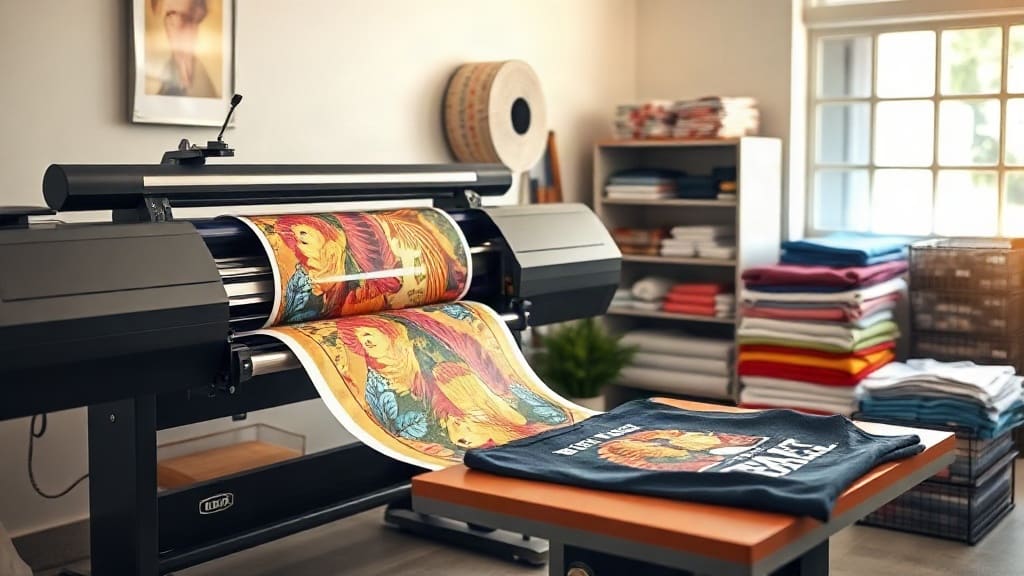
When you need custom apparel or promotional items, DTF (Direct to Film) printing has become a go-to method for its versatility and vibrant results. But if you've ever searched for DTF transfers near me, you know that the options can be overwhelming. Online listings, social media ads, and local print shops all claim to offer the best service. So how do you separate the pros from the amateurs? In this guide, I'll share what I've learned from years in the printing industry, including the key factors to evaluate, the questions to ask, and the red flags to avoid. By the end, you'll be equipped to make a confident decision and get the high-quality transfers you need.
Understanding DTF Transfers
Before you pick a provider, it helps to understand what DTF transfers actually are. In simple terms, a DTF transfer is a printed design on a special film that can be heat-pressed onto fabric. Unlike screen printing, there's no need for screens or setup charges, which makes it ideal for small batches and complex, colorful designs. The process involves printing your artwork onto a PET film, applying adhesive powder, and curing it. When you're ready to apply, you place the film on your garment and apply heat and pressure. The result is a soft, durable print that can handle stretch and repeated washing.
Why Search Locally?
You might wonder why you should bother looking for DTF transfers near me when there are countless online options. The biggest advantage is the ability to see the quality firsthand. When you work with a local provider, you can request samples, discuss your project in person, and even see the production process if they allow it. This reduces the risk of receiving a subpar product that looks great on a screen but disappoints in person. Local providers also tend to offer faster turnaround times because you eliminate shipping delays. If you need a rush order or have a last-minute event, having a nearby partner is invaluable.
What to Look for in a DTF Transfers Provider
Not all DTF transfers are created equal. Here are the critical things to evaluate when comparing providers in your area.
Print Quality and Resolution
Ask to see actual samples, not just digital mockups. Look for sharp edges, vibrant colors, and proper white underbase. A common issue with low-quality DTF prints is that the white layer appears gray or patchy, which dulls the entire design. High-quality transfers will have a smooth, opaque white layer that makes colors pop, especially on dark fabrics.
Film and Ink Quality
The type of PET film and ink used directly impacts durability and feel. Premium films are designed to release cleanly and leave a soft hand. Inks should be vibrant and resistant to cracking or fading. Some providers use eco-solvent or UV inks that are not suitable for DTF; true DTF uses water-based or resin inks with adhesive powder. Ask what materials they use and whether they are committed to consistent quality.
Adhesive Powder Brand and Application
The adhesive powder is what makes the transfer stick to the fabric. Different powders have different melting points and strengths. A reliable provider will use a high-quality powder that ensures a strong bond without making the print stiff. If you can, test a transfer on a sample garment to feel the softness and see how it holds up after a few washes.
Customization and Minimum Orders
If you need custom designs, check if the provider offers full customization. Some shops only offer pre-made designs or require large minimum quantities. For small businesses or individuals, a low minimum order is a plus. Also, ask about file requirements. Good providers will help you prepare your artwork and offer design assistance if needed.
Turnaround Time and Pricing
While price is important, it shouldn't be the sole factor. Extremely low prices often indicate low-quality materials or rushed production. Get quotes from several local providers and compare them. Consider the turnaround time: if you constantly need quick production, a provider that can deliver in 24-48 hours is worth a higher price. Remember, you get what you pay for; a few extra cents per transfer can mean the difference between a happy customer and a returned order.
How to Find Local DTF Transfer Providers
Now that you know what to look for, here's how to actually find them.
Start with Online Searches
Your first step is probably a search for DTF transfers near me. Use Google Maps, Yelp, or local business directories. Look for businesses with high ratings and recent reviews. Pay attention to comments about quality, communication, and turnaround time. If you see repeated complaints about a specific issue, like colors being off or transfers peeling, cross that provider off your list.
Ask for Referrals in Local Business Groups
Join local Facebook groups for small business owners, crafters, or apparel decorators. Ask for recommendations. People who have already worked with a provider can give you honest feedback and even show you their results. This is particularly useful if you're new to DTF and need guidance.
Visit Local Print Shops
Some traditional print shops also offer DTF services. They may not advertise it heavily, but they have the equipment and expertise. Visiting in person allows you to see the quality of their other work. If they don't offer DTF themselves, they can often recommend a trusted partner.
Check Trade Shows and Expos
If there are any printing or apparel trade shows in your area, attend them. You'll find numerous DTF suppliers and can compare their products side by side. You can also attend workshops or demos to learn more about the process.
Red Flags to Avoid
As with any service, there are warning signs that should steer you away from a provider.
- No Samples: If they refuse to provide samples (even for a fee), that's a red flag. Any confident provider will let you see their work.
- Unrealistically Low Prices: If a quote is significantly lower than others, ask why. Cheap materials and rushed production often lead to poor results.
- Poor Communication: If they don't respond to your inquiries promptly or seem disorganized, that's likely how they'll handle your order.
- No Proof of Equipment: A legitimate provider should be able to show you their DTF printer and equipment. If they are vague about their process, they might be outsourcing or using outdated tech.
- No Guarantee or Return Policy: Established businesses stand behind their work. If they don't offer any form of satisfaction guarantee, proceed with caution.
Questions to Ask Before Placing an Order
Once you've narrowed down your list, ask these questions to ensure you're making the right choice.
- What type of film and ink do you use?
- What is your typical turnaround time for custom orders?
- What are your minimum order quantities?
- Can you provide a sample of a similar design on the same fabric type?
- What is your pricing structure? Are there any setup or shipping fees?
- Do you offer design assistance or file setup?
- What is your policy on defective transfers? Will you replace them?
Making the Right Choice for Your Business
For businesses, consistency is key. You need a provider that can deliver the same quality every time. Start with a small test order to evaluate the product. If it meets your standards, build a relationship. Don't be afraid to negotiate prices for bulk orders, and always keep a backup provider in case your primary one is overloaded.
Remember that DTF transfers are not just about the product; they're about the partnership. A good provider will offer advice on artwork, fabric types, and application techniques. They'll be proactive in solving problems and committed to your success.
Frequently Asked Questions
How much do DTF transfers usually cost? What is the price range?
The cost of DTF transfers varies based on size, quantity, and the provider's overhead. Generally, you might pay between $1 and $5 per transfer for standard sizes like 8x10 inches. Larger sizes or complex designs cost more. Some providers offer volume discounts, so your per-unit price drops as your order increases. Always ask for a detailed quote that includes any setup fees, shipping, and tax. Remember that the cheapest option isn't always the best value; consider the quality and reliability.
Can I apply DTF transfers at home with a regular heat press?
Yes, you can apply DTF transfers with a regular heat press, but you need to follow the specific temperature, pressure, and time settings. Typically, you'll press at 320°F to 340°F for 10 to 15 seconds at medium to firm pressure. Some providers also offer cold-peel transfers, but most are hot-peel. Always follow the instructions provided by your transfer manufacturer. A home heat press is fine for small projects, but for consistent results, a commercial press is recommended.
How long do DTF transfers last on garments?
With proper application and care, DTF transfers can last as long as the garment itself. They are designed to withstand repeated washing and stretching. To maximize longevity, wash garments inside out in cold water and tumble dry on low. Avoid using bleach or fabric softeners. If you notice any lifting after a few washes, it may be due to improper pressing conditions or low-quality transfer material. A reputable provider will ensure their transfers meet durability standards.
Do I need to have a minimum order quantity (MOQ) when ordering DTF transfers locally?
Many local providers have a MOQ, but it's often lower than you might think. Some accept single-piece orders, while others require a minimum of 5 or 10. If you're just starting out or need only a few transfers, ask if they offer samples or small test orders. Keep in mind that the setup process (if any) might make small orders less cost-effective. However, for custom designs, some providers charge a small design fee instead of a high MOQ.
What file formats do I need to provide for a custom DTF transfer?
Most providers prefer vector files like AI, EPS, or PDF, but they can also work with high-resolution PNG or JPG files. The key is that your artwork must be at least 300 DPI at the final print size. For complex designs, vector files are best because they scale without losing quality. If you're unsure about your file, ask the provider for their requirements. Many offer free file checks and can help you prepare your artwork for the best results.
Final Thoughts
Finding the right DTF transfers near me doesn't have to be a guessing game. By understanding what makes a quality transfer and knowing what questions to ask, you can confidently choose a local provider that meets your needs. Remember to prioritize quality over price, request samples, and build a relationship with a provider you trust. Whether you're a small business owner or an individual crafter, the right DTF partner can help you create stunning, durable products that your customers will love. Start your search today, and don't settle for less than you deserve.