
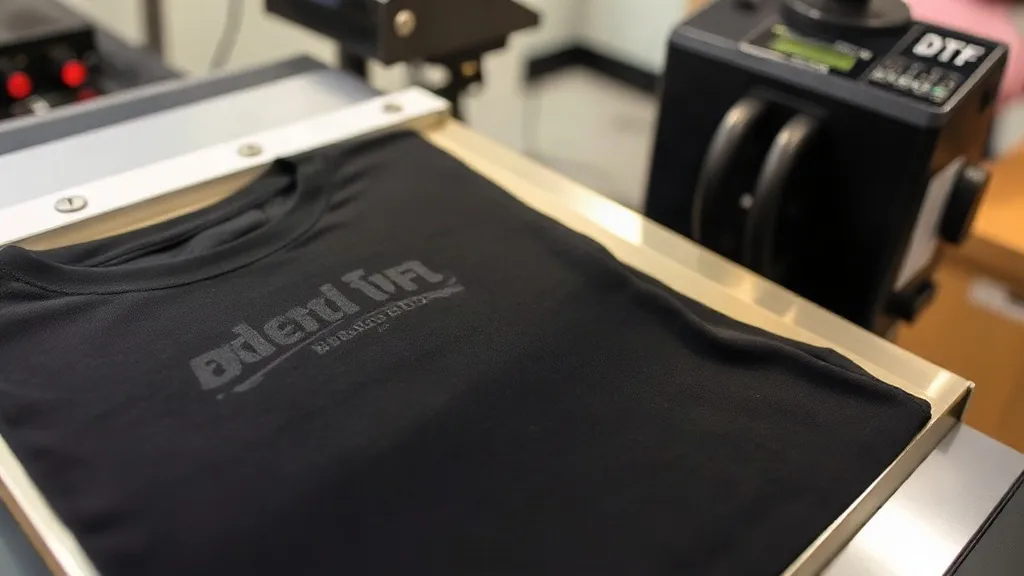
You have probably heard about the importance of the first press in DTF transfers. But what about the second press? In many shops, the second press is either skipped entirely or done haphazardly, leading to prints that fail in the wash or feel stiff. In this guide, we will explore why the second press is a secret weapon for producing professional-grade DTF apparel. Whether you are a seasoned pro or just starting, mastering the second press will elevate your output and reduce waste.
Why the Second Press Matters
The DTF process involves transferring a printed film onto fabric using heat and pressure. The first press adheres the adhesive powder to the fabric. However, the adhesive needs a second activation to fully penetrate the fibers and create a permanent bond. Skipping this step can result in prints that peel after a few washes. A proper second press also helps to flatten the adhesive, reducing the plastic-like feel and making the print more flexible.
The Science Behind the Second Press
During the first press, the adhesive powder melts and sticks to the fabric. But the bond is not fully formed until it cools and then is reheated. The second press re-melts the adhesive, allowing it to flow into the fabric's micro-crevices. This creates a mechanical lock that is far stronger than a simple surface bond. Additionally, the second press can help to evaporate any remaining moisture in the film, preventing bubbles and improving clarity.
How to Execute the Perfect Second Press
To get the most out of your second press, follow these steps:
- Wait for the print to cool completely. This is crucial. If you press while the print is still hot, the adhesive may not set properly. Let it cool for at least a few minutes, or use a cooling rack.
- Use a protective sheet. Place a Teflon sheet or parchment paper over the print to protect it from direct heat and prevent sticking.
- Set the temperature slightly lower. The second press should be about 10-15°C (20-30°F) lower than the first press to avoid scorching the adhesive or the fabric.
- Apply firm pressure for a shorter time. A second press typically requires 5-10 seconds at medium pressure. This is enough to reactivate the adhesive without over-compressing the fabric.
- Peel while warm. After the second press, peel the film immediately while it is still warm. This ensures a clean release and prevents the adhesive from cooling and locking onto the film.
Following these steps will give you a strong, durable bond that withstands repeated washing.
Common Mistakes to Avoid
Even experienced operators make mistakes with the second press. Here are the most common pitfalls:
- Pressing too soon. If the print is still hot from the first press, the adhesive may not have cooled enough to set. Always allow it to cool.
- Using too much heat. Excessive heat can cause the adhesive to become brittle or discolor. Stick to the recommended temperature.
- Forgetting the protective sheet. Without a protective sheet, the print can stick to the press or become glossy and stiff.
- Pressing for too long. Over-pressing can flatten the print and reduce its elasticity. Keep it brief.
By avoiding these mistakes, you will see a noticeable improvement in the quality of your dtf transfers.
Benefits of a Proper Second Press
Investing time in the second press yields multiple benefits:
- Enhanced durability: Prints survive more wash cycles without cracking or peeling.
- Softer hand feel: The adhesive is better integrated into the fabric, reducing the plastic-like texture.
- Improved detail: Fine lines and small text remain sharp because the adhesive does not spread excessively.
- Reduced waste: Fewer rejects mean lower costs and higher customer satisfaction.
These advantages directly impact your bottom line and reputation.
When to Use a Second Press
Not all DTF transfers require a second press, but most do. Here are some scenarios where it is essential:
- High-wash garments: Items like workwear, sportswear, and children's clothing that are washed frequently.
- Stretch fabrics: The second press helps the adhesive flex with the fabric, preventing cracks.
- Detailed designs: Prints with fine lines or small text benefit from the improved adhesion and clarity.
- When using lower-quality films: A second press can compensate for slight inconsistencies in film quality.
In general, if you want professional results, make the second press a standard step in your workflow.
Tools and Equipment for the Second Press
To perform a second press effectively, you need the right tools:
- Heat press: A reliable heat press with accurate temperature and pressure control is essential. We recommend a press with a digital display and even heating.
- Protective sheet: Teflon sheets or parchment paper are inexpensive and reusable.
- Cooling rack: Speeds up the cooling process between presses.
- Infrared thermometer: To verify the actual temperature of the press platen.
These tools are readily available and will pay for themselves in improved quality.
Choosing the Right Protective Sheet
Not all protective sheets are created equal. Teflon sheets are durable and provide excellent non-stick properties, but they can leave a slight texture. Parchment paper is cheaper but may need frequent replacement. For best results, use a high-quality Teflon sheet designed for heat pressing.
Case Study: How a Second Press Saved a Shop $10,000
A mid-sized apparel decorator in the Midwest was experiencing a 15% return rate due to prints peeling after washing. They were using a single press and following all other best practices. After implementing a proper second press, their return rate dropped to under 2%. The savings in returns, reprints, and shipping costs amounted to over $10,000 annually. This illustrates the financial impact of this often-overlooked step.
Frequently Asked Questions
Can I skip the second press if I use high-quality DTF transfers?
While high-quality dtf transfers near me may have better initial adhesion, the second press is still recommended for maximum durability, especially for garments that will be washed frequently. It ensures the adhesive fully penetrates the fabric fibers.
What temperature should I use for the second press?
Set your press to about 150-160°C (300-320°F). This is slightly lower than the first press temperature to avoid over-curing the adhesive.
How long should I press for the second time?
Press for 5-10 seconds at medium pressure. This is sufficient to reactivate the adhesive without flattening the print.
Can I use the second press on all fabrics?
Yes, but be cautious with heat-sensitive fabrics like nylon or polyester. Always test on a small area first and use a lower temperature if needed.
Do I need a special press for the second press?
No, you can use the same heat press you used for the first press. Just ensure it is set to the correct temperature and pressure.
Conclusion
The second press is a simple yet powerful step that can dramatically improve the quality and longevity of your DTF transfers. By taking the time to cool, protect, and press again, you will produce prints that stand up to real-world wear and tear. For more tips and high-quality supplies, visit Harwin DTF.